
Temporary Resident Permit
Navigating Temporary Resident Permits (TRPs): Your Guide to Overcoming Inadmissibility
Feeling lost in the labyrinth of Canada’s immigration system? You’re not alone. If you’ve been deemed inadmissible to Canada but have a valid reason to visit, a Temporary Resident Permit (TRP) might be the solution you need. Whether it’s a past criminal conviction, a flagged medical issue, or a prior immigration mishap, a TRP gives you a chance to move past those barriers. Let’s simplify the process and help you get started on the right foot.
What is a Temporary Resident Permit (TRP)?
Think of a Temporary Resident Permit (TRP) as Canada’s way of saying, “We see the issue, but your reason for entering outweighs the risks.” Issued by Immigration, Refugees and Citizenship Canada (IRCC), this document allows individuals with certain inadmissibility issues to enter the country temporarily. The key is convincing officials that the purpose of your visit is important enough to merit an exception.
Here’s when you might need a Temporary Resident Permit (TRP):
- Criminal Records: For example, a past DUI or similar conviction.
- Medical Conditions: Health issues flagged as potentially burdensome or risky.
- Immigration Violations: Overstaying a visa or errors in past documentation.
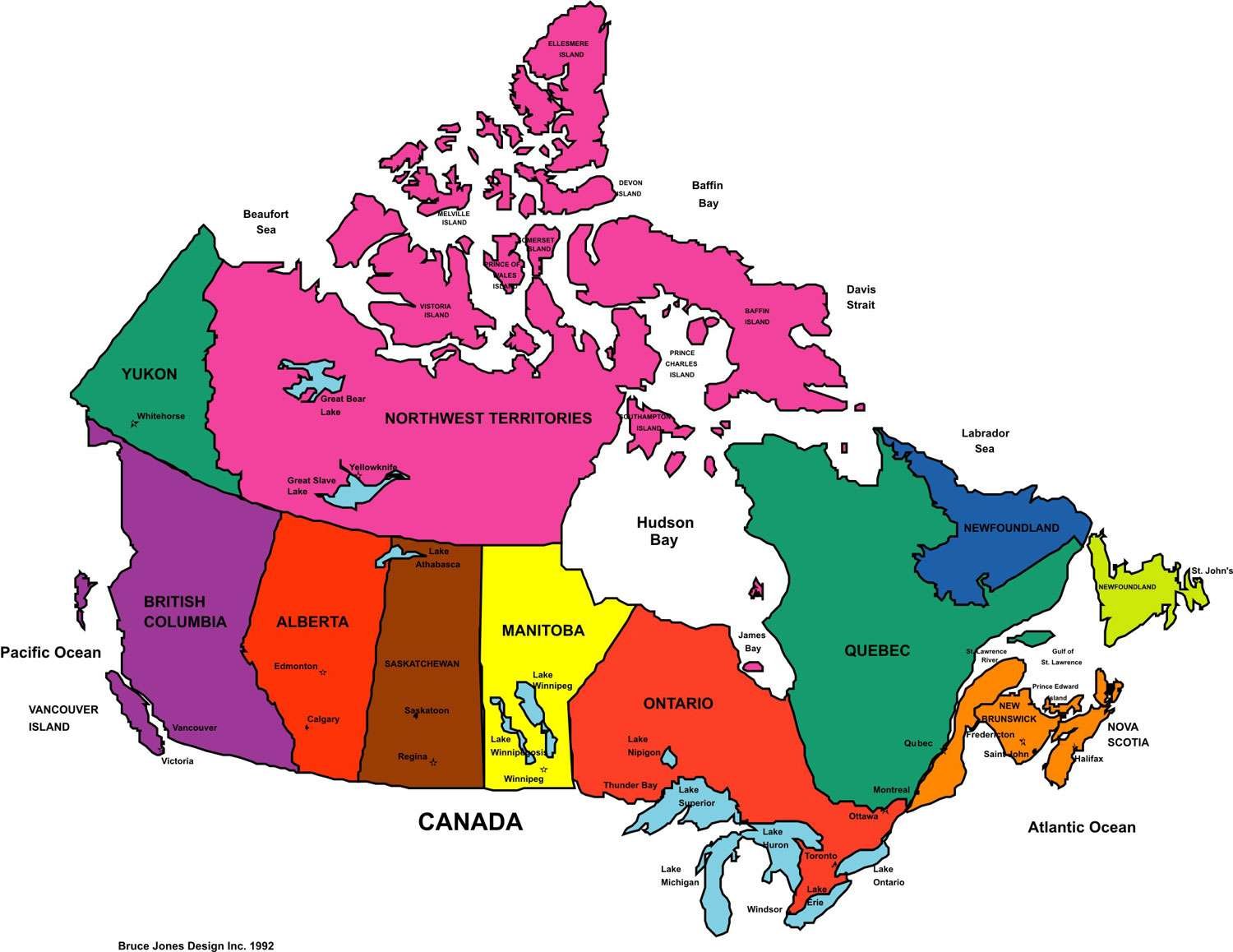
There are many reasons for being inadmissible to enter Canada, such as:
- Criminal record
- Misrepresentation
- Inadmissible Family Member
- Medical Inadmissibility
No matter the reason, the burden remains the same: your reason to enter Canada must outweigh the risk you may pose to Canadians.

Traveling to Canada with a Criminal Record
Are you planning to travel to Canada but have a criminal record? Technically, this means you are criminally inadmissible to enter Canada. However, depending on the severity of your criminal past and the purpose of your travel, you may be eligible to bypass your inadmissibility with a Temporary Resident Permit (TRP).
A TRP will lift your criminal inadmissibility for a limited period (up to 3 years) and allow you entry into Canada. It is important to note that this is not a permanent solution. Once your TRP expires, you will once again be deemed inadmissible and would need to reapply for a TRP or opt for the permanent solution via Criminal Rehabilitation. You are only eligible for Criminal Rehabilitation if it has been 5 years since the completion of your offense.
Common Criminal Offenses which require a TRP to enter Canada:
- DUI
- Assault
- Theft
- Fraud
- Drug Crimes
TIP: Traffic offenses are generally outside the scope of criminal inadmissibility. However, it is important to compare your traffic offense to the Canadian equivalent to ensure it is not labeled a criminal offense in Canada.

Who Should Apply for a TRP?
If any of the above situations sound familiar, a Temporary Resident Permit (TRP) could be your ticket to entering Canada. Whether you’re a business traveler with a prior conviction, someone visiting family despite health concerns, or seeking medical treatment, the Temporary Resident Permit (TRP) can provide temporary access.
Reasons to apply for a Temporary Resident Permit (TRP) include:
- Work or Activities Benefiting Canada: Conferences, business meetings, or unique skills needed temporarily.
- Family Gatherings: Weddings, funerals, or other significant family events.
- Medical Care: Pre-scheduled treatments in Canada.
Each applicant must prove that their reasons for entering outweigh potential risks, and if multiple family members are inadmissible, each will need their own Temporary Resident Permit (TRP).
Common Inadmissibility Issues Addressed by TRPs
A Temporary Resident Permit is often used to address specific types of inadmissibility, including:
- Criminal Inadmissibility
- Convictions considered equivalent to indictable offenses under Canadian law.
- Multiple summary offenses, which collectively raise concerns.
- DUI charges or similar offenses, even from years ago.
- Medical Inadmissibility
- Conditions flagged as a public health risk.
- Situations that might place excessive demands on Canada’s healthcare system.
- Other Inadmissibility Categories
- Immigration violations, such as overstaying a prior visa.
- Security-related concerns.
- Financial inadmissibility, where concerns arise about your ability to support yourself during your stay.
How Long Does a Temporary Resident Permit (TRP) Last?
The validity period of a Temporary Resident Permit (TRP) depends on the specific circumstances of your visit to Canada. Unlike regular visas, which often have standard durations, a TRP is issued based on the exact length of time required for your stay.
- Short-Term TRPs (Single-Entry Permits)
If your reason for travel is temporary and specific, the Temporary Resident Permit (TRP) will generally match the duration of your planned stay. Examples include:
- Business Meetings & Conferences: If you’re attending a three-day business summit, your TRP will likely be issued for that period.
- Family Emergencies: If you need to visit a sick relative for a two-week period, your permit will cover that duration.
- Medical Treatments: If you’re receiving medical care that requires a few months in Canada, the TRP will likely align with your treatment schedule.
Once the permit expires, you must leave the country unless you apply for a renewal before its expiration date.
- Long-Term TRPs (Multiple-Entry Permits)
In some cases, longer-term TRPs may be granted, especially if you need to enter Canada multiple times over an extended period. Examples include:
- Work-Related Travel: If your job requires you to visit Canada several times over the next year, you may be granted a TRP valid for multiple entries.
- Ongoing Family Commitments: If you frequently visit Canada for family obligations, an extended TRP could be issued.
- Rehabilitation & Criminal Inadmissibility Cases: For individuals overcoming criminal inadmissibility, officers may issue a Temporary Resident Permit (TRP) valid for one to three years, depending on the situation.
Long-term TRPs are issued at the discretion of Immigration, Refugees and Citizenship Canada (IRCC) and typically require a strong justification for extended validity.
- TRP Renewals & Extensions
If you need to stay in Canada beyond your TRP’s expiration date, you must apply for a renewal before it expires. Renewals are not automatic and require:
- A valid reason for needing an extension.
- Updated supporting documents.
- Proof that you have complied with the conditions of your original TRP.
Failure to renew before expiration may result in removal from Canada or difficulties obtaining future permits.
Key Takeaways
- TRP validity is case-specific and typically matches the length of your stay.
- Short-term TRPs are issued for single-use travel, while long-term TRPs allow multiple entries.
- Renewals require strong justification and must be filed before expiration to avoid legal complications.
Whether you’re applying for a short visit or a longer-term permit, proper planning ensures you remain compliant with Canadian immigration laws. If you’re unsure about your Temporary Resident Permit (TRP) duration or need assistance with renewals, Contact Us Today!

Key Considerations for a Successful TRP Application
Securing a Temporary Resident Permit (TRP) is all about demonstrating that your purpose for visiting Canada is compelling enough to justify the risks associated with your inadmissibility. This involves:
- Clear Documentation: Provide all required paperwork, including medical records, criminal rehabilitation documents (if applicable), or proof of your purpose in Canada.
- Strong Justification: Explain why your visit benefits you, your host, or Canada itself.
- Timely Submission: Ensure your application is submitted well before your intended travel date to allow sufficient processing time.
With the right guidance and preparation, a Temporary Resident Permit can help you overcome immigration challenges and achieve your goals in Canada. Let us assist you in building a strong case for your TRP application. Together, we’ll simplify the process and pave the way for your successful entry into Canada.
How to Build a Strong TRP Application
Purpose of Travel
To ensure you have the highest chances of success, you must have a valid and compelling reason to enter Canada.
These reasons can include traveling for business, visiting a sick family member, or attending an important family event. The immigration officer reviewing your TRP application will assess your reason(s) on a need vs. risk basis. Simply put, your reason to enter Canada must outweigh the risk you may pose to Canada. Whether you are a business traveler entering Canada to visit a client, or a leisure traveler entering Canada for tourism, you must provide documentation demonstrating your purpose of travel.
Remorse
Along with a valid and compelling reason, it is equally important that you demonstrate remorse for your previous offence(s) and highlight the positive changes you have implemented into your life.
Even if your offence(s) are minor in nature, you cannot casually dismiss them. Canada takes all criminal offenses very seriously and so must you.
Ties to Home
How can you show this? By demonstrating ties to your current country of residence and/or country of citizenship. In other words, you must show that you have responsibilities back home which requires you to be physically present.
- Employment
- School
- Family (i.e. spouse, children)
- Assets (i.e. real estate, business, other investments)
Am I Eligible for a Temporary Resident Permit (TRP)?
Great question! Let’s break it down so you can determine where you stand. A Temporary Resident Permit (TRP) isn’t handed out casually—you’ll need to make a compelling case to convince immigration officials that your entry to Canada is justified. Here’s what it takes:
- A Compelling Reason to Enter Canada
To qualify for a Temporary Resident Permit (TRP), you must present a clear and strong reason for your visit. Some common justifications include:
- Business: Attending high-stakes meetings, negotiating critical deals, or participating in significant conferences.
- Family Matters: Visiting close relatives, attending milestones like weddings or funerals, or caring for a family member in need.
- Medical Care: Seeking specialized treatment that isn’t accessible in your home country.
Your reason needs to be urgent and backed by solid documentation. Immigration officers won’t guess your intentions—be detailed and transparent about why your visit matters.
- Prove the Benefits Outweigh the Risks
The core of a Temporary Resident Permit (TRP) application is demonstrating that the positive impact of your visit surpasses any potential risks tied to your inadmissibility. To make this case, ask yourself:
- How does your visit benefit you, your family, or your employer?
- Is there a humanitarian aspect, such as reuniting with family or accessing critical medical care?
For example, if you’re visiting for work, explain how your presence supports your employer and even contributes to the Canadian economy. Make your case with clarity and precision—show your value.
- Demonstrate a Commitment to Following Canadian Laws
Canada needs to be sure you’ll respect its rules and policies during your stay. This includes:
- Complying with all conditions outlined in your Temporary Resident Permit (TRP), such as leaving Canada before it expires.
- Avoiding any illegal activities, like working without proper authorization.
Build trust by providing supporting evidence, such as employer letters, proof of strong ties to your home country, or a clean legal record. This reassures officials that you’re a reliable visitor.
The Role of Officer Discretion
A TRP isn’t guaranteed—it ultimately depends on the discretion of the immigration officer reviewing your application. This means your submission needs to be flawless. Weak reasons, incomplete documents, or a lack of clarity can quickly lead to rejection.
This is where expert assistance can make a big difference. We specialize in crafting persuasive, thorough TRP applications that leave no room for doubt. With the right strategy and preparation, your chances of success increase significantly.

How to Apply for a TRP: Step-by-Step Guide
If you’re ready to apply for a Temporary Resident Permit, here’s how to tackle the process like a pro:
Step 1: Collect All Required Documents
Your application is only as strong as the documentation supporting it, so gathering everything properly is crucial. Here’s what you’ll need:
- Completed TRP Application Form: This is the official document that must be filled out accurately. Double-check all details before submission.
- Persuasive Explanation Letter: Clearly outline your inadmissibility, explain why you need to enter Canada, and provide supporting evidence. Make it detailed, personal, and well-structured.
- Relevant Supporting Documents: These vary depending on your situation but may include police clearance certificates, medical records, business invitations, or proof of family obligations.
- Proof of Financial Stability: Demonstrate that you can support yourself during your stay. Acceptable documents include bank statements, pay stubs, or a letter from your employer.
- Valid Passport: Ensure your passport is current and remains valid for the entire duration of your stay in Canada.
Pro Tip: Organizing your documents professionally improves your chances of approval. Arrange them neatly, label each section, and make sure all copies are clear and legible. Immigration officers appreciate well-structured applications that are easy to review.
Step 2: Submit Your TRP Application
Once all documents are prepared, the next step is submission. You have two main options:
- Through a Canadian Visa Office Abroad: If you’re applying ahead of time, submitting your application at a visa office is the recommended route.
- At a Port of Entry (POE): If you need urgent entry to Canada, you may apply directly at an airport or border crossing. However, you’ll need to justify why your case is time-sensitive and cannot be processed through a visa office.
Important: Keep a complete copy of your application for your records. If immigration officials request additional information or if you need to refer to past submissions, having a duplicate will save you time and effort.
Step 3: Pay the Required Fees
Applying for a TRP comes with a processing fee of CAD $239.75 per application. This fee is non-refundable, so ensure your application is well-prepared before making the payment.
You can pay either:
- Online via the Government of Canada’s official payment portal.
- In person at the location where you submit your application, depending on the processing office’s policies.
Since fees are not reimbursed if your application is denied, double-check every detail before submitting.
Step 4: Prepare for a Potential Interview
In some cases, immigration officers may request an interview to gain further insight into your situation. This is your chance to provide clarification and strengthen your case. To make a positive impression:
- Be Honest and Direct: Answer all questions truthfully and stick to the facts.
- Demonstrate Preparedness: Bring all supporting documents and reference them as needed.
- Remain Calm and Professional: A respectful, composed attitude can go a long way in establishing credibility.
The interview is a key opportunity to present your case directly to the decision-maker. Taking it seriously and coming well-prepared can significantly improve your chances of approval.
Crafting a Strong Explanation Letter for Your TRP Application
Your explanation letter is the backbone of your Temporary Resident Permit (TRP) application. This is where you directly address immigration officers, explain the circumstances behind your inadmissibility, and make a case for why you should be allowed entry into Canada. A well-crafted letter can significantly impact the outcome of your application.
What to Include in Your Explanation Letter
1. Clear Details About Your Inadmissibility
-
- Be upfront and transparent about the reason for your inadmissibility, whether it’s a past criminal conviction, a medical condition, or an immigration violation.
- Explain the circumstances that led to the issue and demonstrate responsibility for past actions.
2. Justification for a TRP
-
- Clearly outline why you need to enter Canada and why your visit is essential.
- Whether it’s for work, family, medical treatment, or another valid reason, make sure your justification is strong and well-supported.
3. Evidence of Positive Changes
-
- If you’ve held a TRP before, highlight any positive developments since your last application.
- Show proof of rehabilitation efforts, compliance with past immigration conditions, or medical improvements.
Pro Tip: Organize Your Application for Maximum Impact
A well-structured application doesn’t just look professional—it demonstrates seriousness and credibility. Use a document checklist, clearly label all materials, and present everything in a logical order. The easier you make it for an immigration officer to review your case, the better your chances of approval.
Each case is unique, and depending on the specifics of your inadmissibility, additional supporting documents may be required. If you’re uncertain about what to include, seeking professional guidance can help strengthen your application.
Additional Documents Based on Your Type of Inadmissibility
Your required supporting documents will depend on the reason for your inadmissibility. Below is a breakdown of what you’ll need to include based on the specific category of inadmissibility.
1. Criminal Inadmissibility: Evidence of Rehabilitation
For individuals with past convictions, the application must demonstrate steps taken toward rehabilitation and show that the risk of reoffending is minimal. Required documents include:
- Official conviction records and details of the relevant laws.
- Proof of sentence completion, including fine payments and probation records.
- Character reference letters showing positive behavioral changes.
- Evidence of rehabilitation efforts, such as community service or counseling.
- FBI criminal record check (for U.S. applicants).
2. Medical Inadmissibility: Health Documentation
If inadmissibility is due to a medical condition, the application must prove that the condition does not pose a public health risk or create an excessive burden on Canada’s healthcare system. Required documents include:
- A letter from a medical professional describing the condition and prognosis.
- A treatment plan detailing ongoing or required medical care.
- Proof of medical arrangements in Canada, including letters from healthcare providers.
- Financial evidence showing how treatment costs will be covered.
Required Documents by Medical Condition Type:
| Condition Type | Required Documentation |
|---|---|
| Chronic Illnesses | Medical history, specialist reports |
| Communicable Diseases | Current health status, ongoing treatment plan |
| Mental Health Conditions | Psychiatric evaluations, therapy/treatment records |
Other Inadmissibility Categories and Supporting Documents
1. Financial Inadmissibility:
-
- Bank statements showing a stable financial position.
- Proof of employment, assets, or financial support.
2. Immigration Violations:
-
- A detailed explanation of prior violations and supporting evidence.
- Documents showing changed circumstances since the violation.
- Proof of strong ties to your home country.
Submitting your TRP Application
There are two (2) ways to submit your TRP application. You can submit your application to the Canadian Consulate, or directly at any Port of Entry.
Canadian Consulate
Processing times at the Canadian Consulate range between 4 to 12 months.
Submitting your application to the Canadian Consulate requires that you submit a complete application, which the required original documents. Failure to do so may result in a returned application or a refusal.

Port of Entry
If you decide to obtain a TRP at the Port of Entry, you must show the officer that you have an urgent and compelling reason to enter Canada and that you cannot afford to wait 4 to 12 months for the Canadian Consulate to render a decision. Immigration officers at the port of entry will generally only issue you a TRP for a short duration (i.e. 3 days) to allow you to attend your urgent matter inside Canada.
You must prepare your application package in advance and be ready to present it to the immigration officer at the port of entry. The immigration officer will review your TRP application and render a decision at the port of entry.
Tips To Increase TRP Success Rate at the Port of Entry
At the end of the day, the decision to issue you a TRP at the Port of Entry rests with the officer reviewing your application. Officers have full discretion. However, there are things you can do to ensure you have the best possible chances of success:
Submit your TRP Application to the Canadian Consulate before going to Port of Entry.
Request to Speak to Supervisor
Once you assert your right to speak to a supervisor, he/she will review your application and render a same day decision.
This will be viewed in your favor, as the officer will see that you are taking this seriously and have gone through all the necessary steps.
Understand your Criminal History
Failure to recognize the specifics of your inadmissibility and the seriousness of your offense(s) will show the officer that you have not demonstrated remorse and could likely lead to a refusal.
How Long Does a TRP Application Take?
Processing times for TRP applications vary based on the complexity of the case:
- Criminal inadmissibility cases typically take 3 to 6 months for a decision.
- Medical inadmissibility cases may require additional 3+ months if new medical evaluations are needed.
- Immigration violation cases can vary widely depending on the severity of past violations.
Each year, approximately 1,000 applicants face medical inadmissibility to Canada, with around 25% of cases related to excessive demand for specialized healthcare services, such as special education for children.
Special Considerations for Family-Based Applications
When applying for a TRP under family sponsorship, additional leniencies may apply:
- Spouses, common-law partners, and dependent children may qualify for special exemptions.
- Medical inadmissibility rules do not apply to family-sponsored applicants under the excessive demand exemption for healthcare.
Final Thoughts: Strengthen Your TRP Case with the Right Strategy
The key to a successful TRP application is a persuasive explanation letter paired with strong supporting documents tailored to your specific inadmissibility issue. With proper preparation, well-organized documentation, and a strategic approach, you can significantly increase your chances of approval.
If you need assistance ensuring your application is airtight, our team is here to help. Let’s work together to present the strongest possible case and help you secure your Temporary Resident Permit.
Why Do Temporary Resident Permit (TRP) Applications Get Rejected?
Not every TRP application secures approval, and there are common reasons why some get denied:
- Insufficient Supporting Evidence – If you fail to provide enough documentation to justify your entry, your case weakens.
- Failure to Prove Benefits Outweigh Risks – Your application must show that allowing you into Canada is more beneficial than risky.
- Lack of Strong Ties to Your Home Country – If officers believe you might overstay, your application could be rejected.
- Incomplete or Poorly Organized Application – Sloppy, missing, or improperly formatted documents can lead to delays or outright refusals.
A well-prepared application is your best defense against rejection. We ensure every document is properly formatted, authenticated, and structured according to IRCC guidelines.
How to Strengthen Your TRP Application
A TRP request must be persuasive, detailed, and backed by solid evidence. Here’s how to improve your chances of approval:
- Craft a Clear, Honest Narrative – Immigration officers must understand why your entry is necessary. Your explanation letter should provide a transparent and well-reasoned justification.
- Support Your Claims with Documentation – Employer letters, financial proof, medical records, or legal documents are crucial in building a credible case.
- Seek Professional Guidance – Complex cases require expertise. Having an experienced team handle your application can significantly improve your success rate.
How We Help You Get Approved
At Visapath, we specialize in navigating TRP complexities. Our services include:
- Assessing Eligibility – We evaluate your circumstances and determine if a TRP is your best option.
- Compiling & Organizing Documents – Our team ensures all required paperwork is complete and properly structured.
- Writing a Strong, Persuasive Application – We craft compelling letters that clearly explain why you should be granted entry.
- Guiding You Through Every Step – From submission to follow-ups, we provide full support so you’re never left uncertain.
With our expertise, you don’t have to navigate the process alone—we’ll maximize your chances of success.
Ready to Get Approved? Let’s Talk.
How We Can Help
Applying for a Temporary Resident Permit can be a time-consuming and confusing process due to all the requirements, fees, and steps to be taken. It is not just about obtaining the required documentation and submitting your application. To ensure you have the highest chances of success, you must go above and beyond what is simply required.
At Visapath, our representatives are highly trained and experienced with TRP applications. We can thoroughly guide you through the process to ensure the best possible chances of success.
Whether you have an urgent business meeting, have a family event, or looking to vacation in Canada, we have handled TRP Applications from all walks of life and with a high success rate.

If you have any questions or personal inquiries,
please do not hesitate to contact us. Call us to
book a consultation.
Testimonials

I have clients in Canada and needed to ensure I would be able to visit them in person on a quick time frame. I looked at several Law Firms and found Akrami had competitive pricing and stellar reviews. Although my application was not fully reviewed and approved before my first trip, I was well armed and prepped for the border officials. I was able to get in as needed and had a full packet ready in case it was needed. The team at Akrami is highly responsive and I can tell they work hard to ensure their clients succeed at entering Canada. My Temporary TRP resident permit was eventually fully approved and I highly appreciate their work.
Irwin Carlin
Very professional. They provided all the needed step by step guidance so that I could obtain a temporary residence permit. Very helpful with questions and concerns. Glad I did not try to do this on my own.
Wing Kwag
In my career field, being able to enter Canada is a necessity. I had already applied for Rehabilitation, but my application hadn’t been processed, making getting hired by a new company impossible. Shabnam suggested that I apply for a Temporary Residency Permit. She refused to rush the process and made sure that all of my documents were complete and in order so that my opportunity for success was as good as possible. When she sent me to Customs and Immigration, I left with my TRP in hand!! Shabnam is also working to make sure I didn’t miss anything on my Application for Rehabilitation and sending additional documents to help ensure my success.
JD Hayes
Frequently Asked Questions
What is a temporary resident permit?
A TRP is a special document that allows individuals who are inadmissible to Canada to enter or remain temporarily. It is issued when there is a compelling reason to visit despite medical, criminal, or immigration-related inadmissibility.
Can I extend my TRP?
Can I apply for a temporary resident permit at the port of entry?
What documents are required for a TRP application?
A complete TRP application typically includes:
- Valid passport
- Proof of current immigration status
- Police clearance certificates
- Court records (if applicable)
- Medical examination results (for stays over six months)
- Documents proving financial stability and strong ties to your home country
How long does it take to process a TRP application?
Processing times vary but generally range between 3 to 6 months when submitted through a Canadian Consulate. Cases involving complex inadmissibility issues may take longer.
What are the fees for a TRP application?
The current processing fee for a TRP is CAD $239.75 per individual.
Do all documents need to be translated and notarized?
Documents must be in English or French. If they are in another language, a certified translation is required. Some documents may also need to be notarized or authenticated.
How is a TRP different from a TRV?
A Temporary Resident Permit (TRP) is for individuals who are inadmissible but have a strong reason to visit Canada. It is granted on a discretionary basis.
A Temporary Resident Visa (TRV) is a standard visitor visa for those who meet Canada’s general entry requirements and have no inadmissibility concerns.
Who needs a Temporary Resident Visa (TRV)?
A TRV (visitor visa) is required for individuals from countries listed as visa-required. You will need a TRV if:
- You are from a country that does not qualify for an Electronic Travel Authorization (eTA).
- You plan to stay in Canada for less than six months.
- You intend to visit for tourism, family visits, or business.