
Canadian Experience Class
Your Fast Track to Permanent Residency in Canada
Use your Canadian Work Experience to become a Permanent Resident
If you’ve been working in Canada and want to stay permanently, the Canadian Experience Class (CEC) might be your best option. It’s one of the fastest immigration pathways for skilled workers who have gained work experience in Canada and want to transition to permanent residency.
What is the Canadian Experience Class?
The Canadian Experience Class (CEC) is a category under the Express Entry system designed for skilled workers who have at least one year of professional work experience in Canada. It recognizes the value of Canadian work experience, making it easier for temporary workers and graduates to qualify for permanent residency.
Unlike other immigration programs, CEC does not require a job offer or a connection to a specific province. If you meet the requirements and have a strong Express Entry profile, you could be invited to apply for permanent residency in as little as six months.
Who is Eligible to Apply?
The Canadian Experience Class (CEC) allows skilled workers who have at least 1 year of Canadian work experience an opportunity to become permanent residents.The CEC program is one of three immigration programs available under the Express Entry system.
To qualify for the CEC program, you must meet the following requirements:
- At least one year of skilled work experience in Canada within the last three year.
- Work experience must be in a NOC TEER category 0, 1, 2, or 3.
- Work must have been full-time (30 hours per week) or an equivalent amount in part-time hours
- Work experience must have been gained legally while on a valid work permit
- Meet the minimum language requirements in English or French
- No requirement for proof of settlement funds, unlike other Express Entry programs
International students who have completed a program at a Canadian institution and worked under a post-graduation work permit are among the biggest beneficiaries of this program.
How Express Entry Works for Canadian Experience Class?
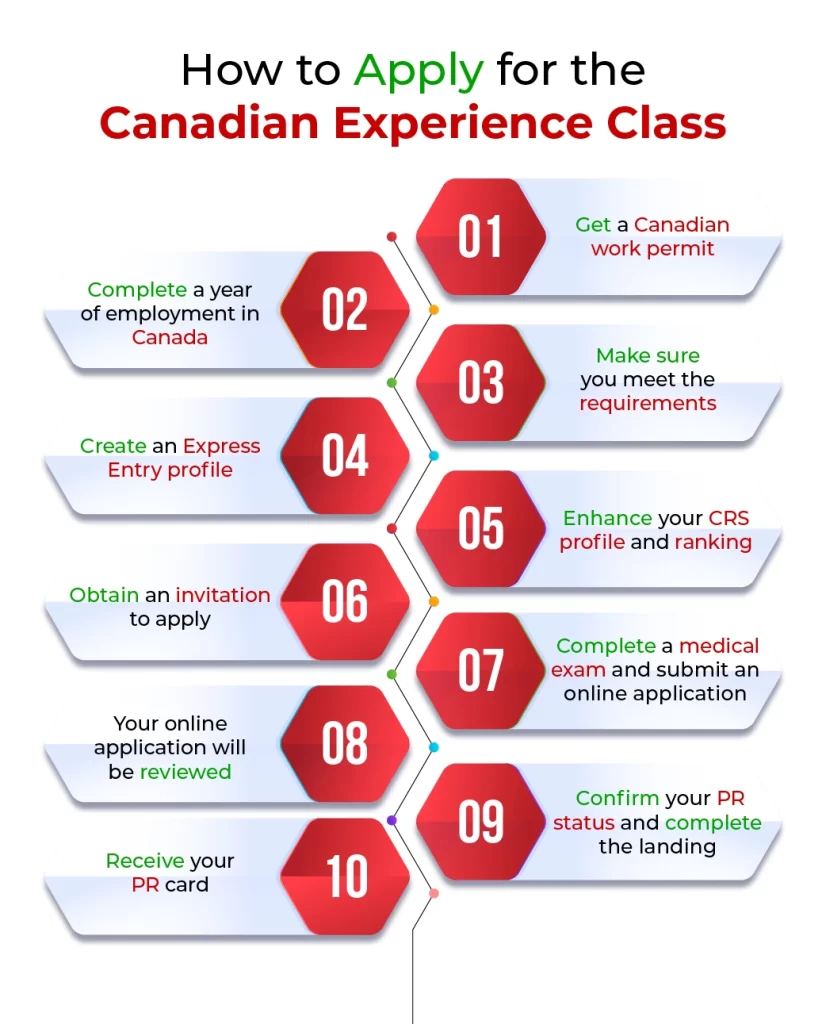
The CEC program operates under Express Entry, which means you must first create an Express Entry profile and enter the pool of candidates.
- Submit your profile with details about your age, education, work experience, and language ability
- Receive a Comprehensive Ranking System (CRS) score based on your qualifications
- If your score is high enough, you will receive an Invitation to Apply (ITA) in a future Express Entry draw
- Once invited, you have 60 days to submit your full application for permanent residency
- If approved, you will receive confirmation of PR status and can start planning your future in Canada
Why the CEC is One of the Best Immigration Programs?
- Processing times are faster than other PR programs, typically around six months
- No need to prove settlement funds since candidates already have work experience in Canada
- No job offer required, making it more flexible than some Provincial Nominee Programs
- Canadian work experience gives you a major advantage in CRS points
Despite its advantages, the biggest challenge right now is the high CRS score requirements in Express Entry draws. Many candidates with Canadian work experience struggle to meet the cut-off, which means they need to improve their profile or explore other immigration options.
How to Improve Your Canadian Experience Class (CEC) Application and Boost Your CRS Score?
The Canadian Experience Class (CEC) is one of the best immigration pathways for skilled workers who have gained work experience in Canada. But with Express Entry cut-off scores climbing higher than ever, just meeting the minimum requirements isn’t enough. If you want to maximize your chances of getting an Invitation to Apply (ITA) for permanent residency, you need to strengthen your application and increase your Comprehensive Ranking System (CRS) score.
Here’s how you can improve your CEC application and give yourself the best chance at securing permanent residency in Canada.
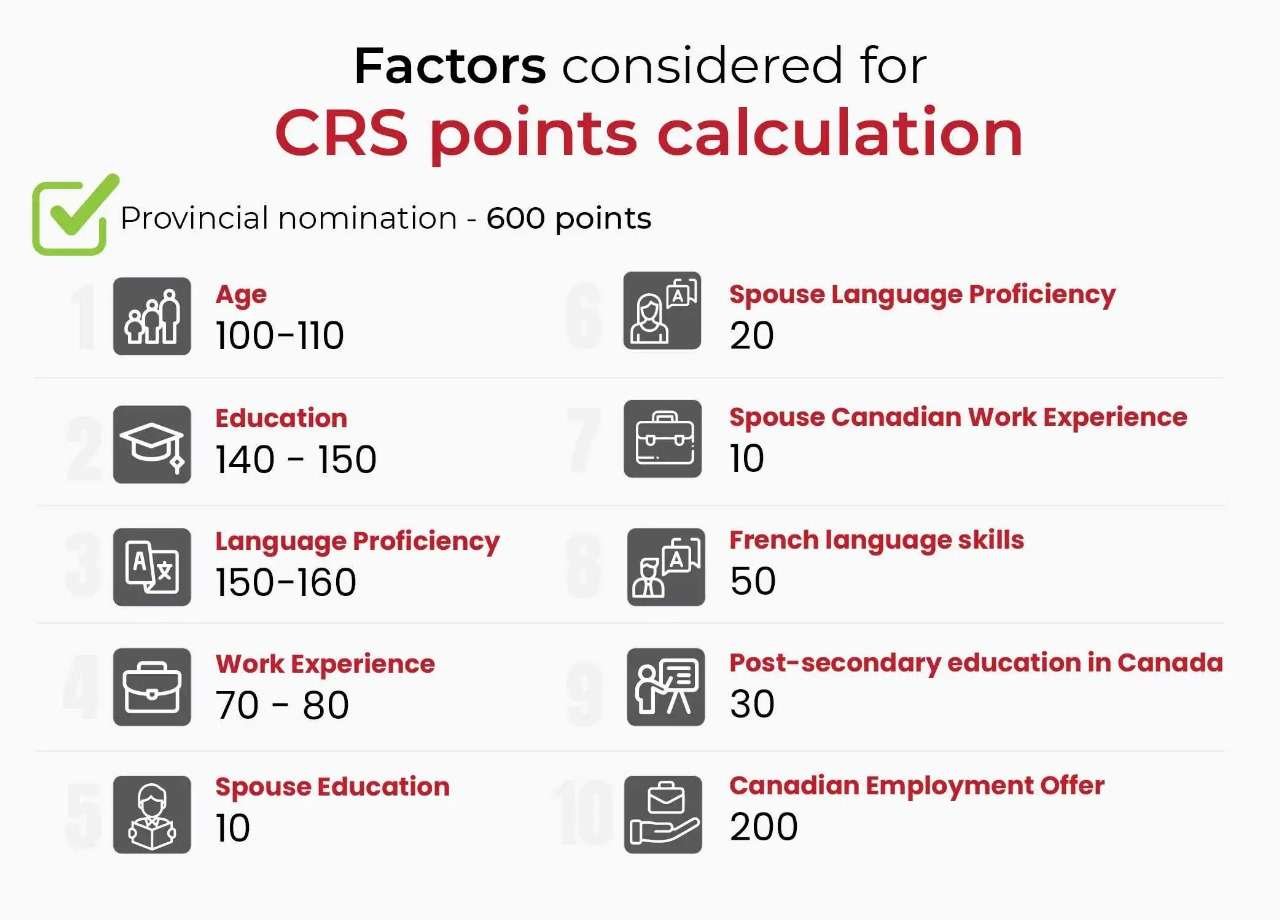
1. Maximize Your CRS Score
The CRS score is the most important factor in Express Entry. If your score isn’t high enough, you won’t get selected for an ITA. Here’s what you can do to improve it:
Retake Your Language Test for a Higher Score
- Your IELTS or CELPIP score plays a huge role in your CRS ranking.
- Even one or two extra points in your language score can push your CRS up significantly.
- Aim for CLB 9 or higher to maximize your Express Entry points.
Boost Your Education Credentials
- If your highest education is a bachelor’s degree, consider getting a postgraduate diploma or master’s degree.
- You can also get an Educational Credential Assessment (ECA) for foreign degrees to ensure you claim the maximum points.
Apply for a Provincial Nominee Program (PNP) for an Extra 600 Points
- Some provinces prioritize candidates with Canadian work experience through Provincial Nominee Programs.
- Getting a PNP nomination automatically adds 600 points to your CRS score, guaranteeing an ITA.
- Provinces like Ontario, Alberta, and British Columbia have active PNP streams for Express Entry candidates.
Secure a Valid Job Offer with an LMIA
- A job offer from a Canadian employer can no longer give you additional CRS points. However, with a closed work permit you may be eligible to extend your time in Canada. Essentially, the more years of work experience, the higher your points

2. Submit a Strong and Complete Application
Even if you get an ITA, a weak or incomplete application can lead to delays or refusals. Make sure your CEC application is solid by following these steps:
Ensure Your Work Experience is Clearly Documented
- Provide detailed reference letters from past employers showing your job duties, salary, and employment period.
- Make sure your experience matches a NOC TEER 0, 1, 2, or 3 job category, or your work experience won’t count.
Double-Check Your Documents
- Incomplete or inconsistent information can lead to a Procedural Fairness Letter (PFL) or rejection.
- Verify that your passport, proof of funds (if required), police clearance, and medical exams are all updated.
Write a Strong Letter of Explanation (LOE)
- If there are gaps in your employment history, missing documents, or any unusual circumstances, explain them clearly.
- A well-written Letter of Explanation can help prevent unnecessary delays or refusals.
3. Consider Alternative Immigration Pathways If Your CRS Score is Too Low
If your CRS score isn’t high enough for Express Entry, don’t give up. There are other ways to secure permanent residency.
Apply for a Provincial Nominee Program (PNP) Stream That Doesn’t Require High CRS Scores
- Some PNPs invite candidates directly from the Express Entry pool even if their CRS score is low.
- Provinces like Saskatchewan, Manitoba, and Nova Scotia have pathways that may be easier to qualify for.
Improve Your Language Score and Re-Enter the Pool
- If your CRS score is low, improving your IELTS or CELPIP score can boost your ranking significantly.
- Even retaking the test and scoring slightly higher can make a huge difference.
Look Into Other PR Pathways Like TR to PR or Family Sponsorship
- If you have Canadian family members, explore sponsorship options.
- If you were in Canada during the Temporary Resident to Permanent Resident (TR to PR) program, similar programs may reopen in the future.
4. Work with an Immigration Expert to Avoid Mistakes
The difference between approval and refusal can come down to small details in your application. Many candidates miss out because of errors, missing documents, or poor CRS scores.
VisaPath can help you:
✔️ Assess your CRS score and suggest improvements
✔️ Explore PNP options that match your profile
✔️ Secure a job offer and LMIA to increase your points
✔️ Ensure your Express Entry application is complete and error-free
The Canadian Experience Class is one of the best immigration pathways, but it’s becoming more competitive than ever. To succeed, you need a strong CRS score, a complete application, and a well-planned strategy.
If you’re struggling to meet the cut-off or worried about making mistakes, VisaPath is here to help. Contact us today to get expert guidance and maximize your chances of getting permanent residency in Canada.
5 Common Mistakes to Avoid in Your Canadian Experience Class (CEC) Application

The Canadian Experience Class (CEC) is one of the most popular immigration pathways for skilled workers in Canada. But just because you meet the requirements doesn’t mean your application will be approved. Many applicants make simple but costly mistakes that lead to delays, refusals, or lower CRS scores.
If you’re applying for permanent residency through the CEC, make sure you avoid these five common mistakes.
1. Not Meeting the Work Experience Requirements
Many applicants assume that any work experience in Canada counts toward the CEC, but this isn’t true.
✅ Your work experience must be in a NOC TEER 0, 1, 2, or 3 job
✅ You must have at least 12 months of full-time experience (or part-time equivalent)
✅ Your work must have been legal and authorized under a valid work permit
🚩 Common mistakes:
- Counting co-op, volunteer, or self-employment experience (which doesn’t qualify)
- Misclassifying your job under the wrong NOC code
- Claiming work experience while on a study permit without proper authorization
If your work doesn’t meet these criteria, it won’t count toward your CEC application, and your Express Entry profile could get rejected.
2. Submitting Weak or Incomplete Proof of Employment
IRCC requires clear and detailed proof of your Canadian work experience. A generic reference letter or missing key details can result in delays or refusals.
✅ Your employment letter must include:
- Your job title and detailed list of duties
- Your salary and benefits
- The number of hours worked per week
- Official company letterhead and signature from HR or your manager
🚩 Common mistakes:
- Submitting pay stubs alone without an employer letter
- Providing letters that don’t match your NOC job description
- Failing to include start and end dates of employment
If your employer refuses to provide a detailed letter, you may need to submit additional documents like contracts, pay stubs, and tax records to strengthen your case.
3. Ignoring the Importance of Your CRS Score
Meeting the minimum requirements for the CEC doesn’t guarantee an Invitation to Apply (ITA). Express Entry is competitive, and your CRS score determines whether you get selected.
✅ Ways to improve your CRS score:
- Retake your IELTS or CELPIP test to boost your language points
- Apply for a Provincial Nominee Program (PNP) for an extra 600 points
🚩 Common mistakes:
- Assuming that all CEC applicants get invited (only high-scoring candidates do)
- Ignoring the language test score impact—even a small improvement can significantly raise your CRS
- Failing to consider alternative pathways like PNPs when your CRS is too low
If your score isn’t competitive, you need a strategy to improve it before you apply.
4. Submitting an Incomplete or Inaccurate Application
Even if you receive an Invitation to Apply (ITA), your PR application must be 100% complete to avoid rejection. A missing document or an inconsistency in your information can lead to a Procedural Fairness Letter (PFL) or outright refusal.
✅ Double-check these key documents:
- Work experience proof (letters, pay stubs, tax records)
- Valid passport and identity documents
- Police clearance certificates (from all countries you’ve lived in)
- Medical exam results
🚩 Common mistakes:
- Missing mandatory documents due to tight deadlines
- Submitting documents with conflicting information (e.g., job duties don’t match NOC code)
- Forgetting to include a Letter of Explanation (LOE) for any unusual circumstances
IRCC won’t give you the benefit of the doubt—a small mistake can get your application rejected.
5. Waiting Too Long to Apply
The Canadian Experience Class is time-sensitive. If you wait too long, you might miss your eligibility window.
✅ Key time limits:
- Your one year of work experience must be gained within the last three years
- If your work permit is expiring, you may need to apply for a Bridging Open Work Permit (BOWP) while waiting for PR
- Express Entry rules change frequently—higher CRS scores and stricter requirements could make it harder in the future
🚩 Common mistakes:
- Not applying soon enough and losing eligibility due to timing issues
- Failing to apply for a BOWP before your work permit expires
- Assuming that CEC will always be an easy pathway—immigration policies can change at any time
If you qualify for the CEC, don’t wait until it’s too late. Start your application early and ensure everything is in order.
Am I a Skilled Worker?
It is important to first determine if your employment qualifies for the CEC program. There are a number of restrictions on what can be counted as work experience for the CEC program. The definition of skilled work comes from the National Occupational Classification (NOC) job categories. These NOC categories list the job duties which qualify under the CEC program.
Applicants must be employed under the following NOC categories:
- Managerial jobs (NOC skill level 0)
- Professional jobs (NOC skill level A)
- Technical jobs and skilled trades (NOC skill level B)
There are a variety of NOC codes associated with each NOC category. The goal is to find the NOC code which most resembles your job duties, not your job title. Many applicants fail to recognize this difference and later realize that the job duties associated with their NOC code fail to match.
Why is this important?
Once you receive your Invitation to Apply, the next step is to provide documentation supporting the information within your Express Entry profile. This includes the specific NOC code you have chosen. If you cannot provide evidence, such as employment reference letters, specifically outlining your job duties in relation to your chosen NOC code, you may be found ineligible to apply under the CEC program. As a result, your application will be refused.

Language Requirement
Regardless of your existing ability in Canada’s official languages (French or English), you must write an approved language test which measures your reading, speaking, listening, and writing skills.
You must meet a minimum Canadian Language Benchmark (CLB) score for all language categories in order to be eligible for the CEC program. The minimum scores depend on the NOC you have chosen:
- NOC 0 or A CLB 7
- NOC B CLB 5
Note: your language test scores are valid for 2 years.
Obtain Canadian Work Experience and Create your Path to Permanent Residency under the CEC Program
Whether you are planning to enter Canada as a student or worker, the decisions you make at the outset are crucial in determining your options for permanent residency.
Suppose your spouse or common-law partner is working or studying in Canada. In that case, you can obtain an open spousal work permit and work for any employer in Canada throughout the duration of your spouse’s or partner’s Canadian visa.
Labour Market Impact Assessment (LMIA) Work Permit
This is a closed or employer-specific work permit, which only allows you to work for one employer. This type of work permit is used to fill gaps in Canada’s labour market. Employers will seek out foreign workers when there is a shortage of applicants who are either Canadian citizens or permanent residents.
If you have an employer who can support you in obtaining an LMIA-based work permit under a CEC qualified occupation, you will be awarded 50 points to your express profile.
International Experience Class (ex. Working Holiday Visa) Intra-Company Transferee
Unlike the Federal Skilled Trades stream, there is no recognition of self-employment as experience for CEC. If you worked for yourself in Canada, without an employer, you are not eligible to apply.
The stream measures Canadian work experience in the last three years. This means it is acceptable to apply from outside, after returning to your country, as long as you do not stay too long and cause your experience to “expire” . If this happens, you will not be eligible for this stream unless you were to return and spend at least one more full year working in Canada
Unlike other Express Entry programs, CEC does not have an income requirement. You must only demonstrate at least one year of steady income in Canada for your employment (ex. pay stubs, T4, Notice of Assessment)
Other Options if Your CRS Score is Too Low
If your CRS score isn’t high enough to receive an invitation under the Canadian Experience Class, there are still other ways to secure permanent residency.
- Provincial Nominee Programs (PNPs) – Some provinces prioritize candidates with Canadian work experience and lower CRS scores
- Job Offers and LMIA – A valid job offer from a Canadian employer with an LMIA can boost your CRS score by 50 to 200 points
- Language Score Improvement – Retaking your IELTS or CELPIP exam can make a significant difference in your CRS points
- Further Education in Canada – Completing a higher level of education in Canada can increase your score and make you eligible for more immigration options
Final Thoughts
The Canadian Experience Class is an excellent immigration pathway, but it’s no longer as easy as it used to be. With CRS scores rising, competition is fierce, and the best way to secure your spot is by having a well-prepared strategy. VisaPath specializes in helping skilled workers transition to permanent residency without unnecessary delays or refusals.
If you’re unsure about your CRS score, need help improving your profile, or want to explore alternative pathways, get in touch with VisaPath today. Canada needs skilled workers, and if you have Canadian work experience, you already have an advantage. The key is knowing how to use it to secure your future.
How VisaPath Can Help
If you have Canadian work experience but are struggling to meet the CRS score, VisaPath can help.
- Personalized Express Entry profile assessment to maximize your score
- Guidance on improving your CRS ranking through education, language tests, or job offers
- Exploring Provincial Nominee Program (PNP) options to increase your chances of selection
- Assistance in preparing a complete and error-free application to avoid processing delays
- Legal support if you receive a procedural fairness letter or face any complications
Many applicants think that just meeting the eligibility requirements is enough, but in reality, the competition is tougher than ever. Express Entry is unpredictable, and missing out on even a few points can mean waiting months or even years for an invitation.
At VisaPath , our representatives are highly experienced with Spousal Sponsorship and can guide you through each step of the process.
Our representatives understand all the ins and out of sponsorships applications and can help you get into the mind of an immigration officer to ensure you compile a complete, strong and convicting application to give you the best chances of success.
If you are looking to sponsor your spouse, please contact our office to schedule a consultation, and we will be happy to assist you.

To get started, call
Ready to Get Approved? Let’s Talk.
Frequently Asked Questions
Q1: What is considered Canadian Experience Class?
The Canadian Experience Class (CEC) is an immigration program under Express Entry for skilled workers who have at least one year of work experience in Canada. It’s designed for temporary workers and international graduates who want to transition to permanent residency. Unlike other immigration programs, CEC does not require proof of settlement funds and has faster processing times, usually around six months.
Q2: Who qualifies for the Canadian Experience Class?
To be eligible for the Canadian Experience Class (CEC), you must meet these requirements:
✅ At least one year of skilled work experience in Canada (full-time or equivalent part-time) within the last three years
✅ Work must be in NOC TEER 0, 1, 2, or 3
✅ You must have gained this experience legally under a valid work permit
✅ Meet the language proficiency requirements for your job level
✅ No proof of settlement funds required
International graduates who have worked under a Post-Graduation Work Permit (PGWP) and temporary foreign workers with skilled job experience in Canada are the main applicants for CEC.
Q3: How many points do you need for Canadian Experience Class?
The Canadian Experience Class (CEC) does not have a fixed minimum points requirement, but your Comprehensive Ranking System (CRS) score must be high enough to receive an Invitation to Apply (ITA) through Express Entry.
- In the past, CEC draws have ranged from around 430 to 500+ CRS points
- The higher your CRS score, the better your chances of getting an ITA
- Language scores, work experience, education, and age all impact your CRS ranking
If your CRS score is too low, you may need to increase your points by:
✔️ Improving your IELTS/CELPIP score
✔️ Getting a Provincial Nominee Program (PNP) nomination for an extra 600 points
✔️ Securing a job offer with under 00 and get 200 additional points
Q4: Do I need a job offer for Canadian Experience Class?
No, a job offer is NOT required to apply for the Canadian Experience Class. Your past Canadian work experience is the key eligibility factor.
However, having a valid job offer from a Canadian employer can increase your CRS score and improve your chances of getting an ITA faster. If your score is too low to get selected, a job offer with an LMIA can boost your ranking.
Q5: Can I apply for CEC if I am outside Canada?
Yes, you can apply for Canadian Experience Class (CEC) even if you’re outside Canada, as long as you meet the eligibility criteria. Your one year of work experience must have been gained in Canada within the last three years. You can submit your Express Entry profile from anywhere, but you must still meet all CEC requirements, including language test results and supporting documents.
Q6: Does self-employment count for CEC?
No, self-employment does NOT count for Canadian Experience Class. Your work experience must be:
✅ Full-time (or part-time equivalent) for an eligible employer
✅ Legally obtained under a valid work permit
✅ Paid employment, not volunteer or contract-based work
If you were a freelancer, contractor, or business owner, this experience won’t be considered under the CEC program.
Q7: Can I apply for CEC if my work permit is expiring?
Yes, but if your work permit is expiring soon, you should apply for a Bridging Open Work Permit (BOWP). This will allow you to stay and work in Canada while your PR application is processed.
To be eligible for a Bridging Open Work Permit (BOWP), you must:
📌 Have already submitted your PR application under Express Entry
📌 Be waiting for an ITA or final decision
📌 Apply for the BOWP before your current work permit expires
Q8: How long does it take to get PR through the Canadian Experience Class?
Canadian Experience Class (CEC)applications are processed through Express Entry, which is one of the fastest immigration programs in Canada.
Average processing time: 6 months from the time you submit your application after receiving an ITA.
Total timeline: Depends on your CRS score and when you get invited in an Express Entry draw.
Q9: Do I need proof of funds for the Canadian Experience Class?
No, CEC applicants do not need to provide proof of settlement funds. Since candidates have already worked and lived in Canada, the government assumes they are financially established.
However, if you apply through Express Entry under the Federal Skilled Worker Program (FSWP) or Federal Skilled Trades Program (FSTP), proof of funds is required.
Q10: Can I include my spouse and children in my CEC application?
Yes, you can include your spouse and dependent children in your PR application. If your spouse is also working in Canada, their experience and education can increase your CRS score.
If your spouse is outside Canada, they can still be included in your application and become permanent residents once approved.
Q11: What if my CRS score is too low for CEC?
If your CRS score isn’t high enough to receive an ITA, you still have options:
✔️ Improve your language test scores – Retaking IELTS/CELPIP can significantly boost your CRS.
✔️ Apply for a Provincial Nominee Program (PNP) – A nomination adds 600 CRS points, guaranteeing an ITA.
✔️ Secure a valid job offer which could potentially give you 200 points depending on the job.
✔️ Pursue further education in Canada – A higher level of education can increase your CRS ranking.
Q12: Can I apply for CEC while on implied status?
Yes, you can apply for Express Entry and CEC while on implied status. This means your work permit has expired, but you’ve already applied for an extension or a new permit before it expired, allowing you to legally remain in Canada.
However, to qualify for CEC, your previous work experience must have been valid and gained while you held a proper work permit.
Q13: Can I apply under the Canadian Experience Class route if I have studied or worked illegally?
Unfortunately not, you are unable to declare any study time or work experience that was done illegally. You must have a valid study or work permit at the time for your experience to help you qualify under the Canadian experience class.
Even if you have worked or studied for many years you are not eligible to declare those hours and experience. If you decide to submit an application declaring you have worked illegally than most likely your application will get refused and receive more severe consequences.
Q14: I have a post-doctoral level of education in Canada; do I qualify under the Canadian experience class?
Yes, if you have reached this level of education, then you may use this education credential to apply for a post graduate work permit. If you are able to obtain a post graduate work permit then your work experience can be used towards your points for the express entry.
Q15: I am from an English speaking country; will I still need to do a language test and provide proof?
Yes, all candidates looking to apply for permanent residency under this category will need to submit proof of language proficiency in English or French. If you are from an English-speaking country, then you have an advantage to get high points on your Language scores. Immigration Canada will still need proof of your language skills by going through a language test and submitting the results.
Testimonials

Hi Shab, just wanted to leave you a quick note to tell you how grateful I am that you assisted me with me experience class application. I never realized how much was involved and it seemed so simple at first glance. If I had submitted the application I put together, for sure it would have been denied. Your expertise made all the difference. Thank you!
– Claire G.
I am very pleased with the team and their work. The lawyers I worked with to get the permanent residency were all professionals and very quick to respond to my questions. It was a long process but not because of the firm: all the papers needed for the application took time to get issued and then to be processed by the immigration office. Overall, thanks to the team, I was relieved of any stress related to the application as I just needed to follow their guidance. I definitely recommend their service for anyone who is applying for permanent residency.