
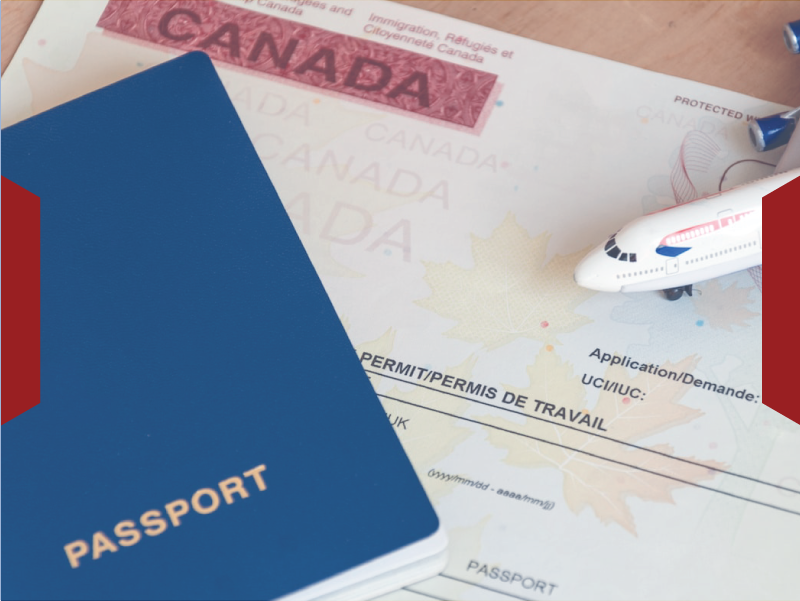
Let’s be real, Canada doesn’t take criminal records lightly. Even a single offense, no matter how old or seemingly minor, can make you criminally inadmissible. That means you could be denied entry at the border, even if you’re just coming for a business trip, vacation, or family event. But here’s the good news: being inadmissible doesn’t mean you’re out of options.
Canada’s immigration system has built-in solutions for people who’ve made mistakes but are ready to move forward. The two main legal pathways are the Temporary Resident Permit (TRP) and Criminal Rehabilitation. These aren’t just technical loopholes, they’re legitimate, structured programs that allow individuals with past offenses to enter or re-enter Canada legally and ethically.
A Temporary Resident Permit (TRP) is ideal if you need to come to Canada soon. Maybe for work, to visit family, or for an emergency. It’s time-sensitive, and it’s granted at the discretion of immigration officers based on the urgency and justification of your visit.
Criminal Rehabilitation, on the other hand, is more of a permanent solution. It’s for those who’ve moved on from their past and want a clean slate with Canada. Once approved, your past conviction no longer makes you inadmissible. It’s like wiping the slate clean, in the eyes of Canadian immigration.
The key? Knowing which pathway applies to you, what documents you’ll need, and how to build a persuasive, well-documented application. That’s where proper legal guidance makes all the difference.
Whether it was a DUI, theft, fraud, assault, or anything in between—we’ve helped hundreds of people turn their “inadmissible” status into “approved.” And we can help you too.
Want to understand which route is right for you? Book a consultation with VisaPath—we turn legal blocks into real-life solutions.
What Does It Actually Mean to Be “Criminally Inadmissible” to Canada?
In the eyes of Canadian immigration, criminal history isn’t just a side note, it can be the one thing that stops your visa or entry at the border. Being “criminally inadmissible” means that Canada sees your past offense(s) as a potential risk to public safety or the integrity of its immigration system. And that can be a game-changer if you’re planning to travel, work, study, or reunite with family in Canada.
Let’s say you’ve had a DUI, theft charge, assault conviction, or even something that happened years ago and you’ve totally moved on from. You might still show up at the airport or land border and be told: “Sorry, you’re inadmissible.” That means your visa can be denied, your work or study permit can be refused, and even permanent residency can be delayed or worse, rejected.
But, and this is a big one, inadmissible doesn’t mean impossible.
Canadian immigration law does offer ways to overcome your inadmissibility. Whether it’s a one-time mistake or something more serious, there are two key options that could still allow you to enter Canada legally:
- The Temporary Resident Permit (TRP) for short-term entry, and
- Criminal Rehabilitation, which removes the inadmissibility for good (if approved).
Both of these require you to show that you’re not a threat, that you’ve changed, and that your reasons for entering Canada are genuine and compelling. And yes, how you present your application matters a lot. Officers want proof, not promises.
So, if you’ve got a past but still need to enter Canada, don’t guess your way through the process. Know your options. Understand what criminal inadmissibility really means, and more importantly, how to fix it.
Need help figuring out your path forward? That’s what we do. At VisaPath, we translate legal complexity into winning immigration strategies. Let’s turn your past into a stepping stone, not a roadblock.
Option 1: Temporary Resident Permit (TRP)
If you’ve got a past criminal conviction and Canada won’t let you in, a Temporary Resident Permit (TRP) might be your best shot. It’s not a “get out of jail free” card, but it can legally allow you to enter or stay in Canada temporarily, even if you’re criminally inadmissible.
What Is a TRP?
A Temporary Resident Permit is a discretionary document issued by Canadian immigration that allows someone who is otherwise inadmissible to enter or remain in Canada for a specified period of time. It’s intended for people who have legitimate, time-sensitive reasons to come to Canada but are blocked due to past offenses—like a DUI, theft, or other criminal charges.
Let’s be clear:
- This is not a permanent fix.
- It’s a short-term solution for situations where your reason to enter outweighs the risk you may pose.
When Should You Apply for a TRP?
You should consider applying for a Temporary Resident Permit (TRP) if you have an urgent reason to come to Canada and can’t wait for Criminal Rehabilitation (which takes longer). Common situations include:
- Business travel: Conferences, important meetings, or training that can’t be done remotely
- Family emergencies: Illness, death, weddings, births, or reunions
- Humanitarian reasons: Accompanying a sick loved one, caretaking, or other compassionate grounds
How to Apply for a TRP
You’ve got two main options for submitting a Temporary Resident Permit (TRP) application:
- Apply at a Canadian visa office (consulate) abroad
- Best if you’re planning your trip ahead of time
- Takes several weeks to months to process
- Recommended for travel by air
- Apply at the port of entry (POE)—land border or airport
- Suitable for urgent travel
- Can sometimes be processed on the same day
- Riskier: approval is at the discretion of the border officer
Pro tip: If it’s not an emergency, go the consulate route. You’ll have time to build a stronger application.
Temporary Resident Permit (TRP) Eligibility Criteria
TRPs aren’t handed out casually. You must show that:
- Your need to enter Canada is justified and urgent
- You are not a risk to Canadian public safety
- You’ve been honest and transparent about your past
In short, they want to know:
- What happened?
- What’s changed?
Why do you need to be here now?
What You Need: Required Documents for a Strong TRP Application
To convince Canadian immigration, you’ll need to bring provide solid documentation. That includes:
- Police clearance certificates
- FBI clearance
- State clearances from anywhere you’ve lived since the offense
- Court documents
- Proof of charges, sentencing, and completion (probation, fines, etc.)
- Personal statement
- A clear, remorseful explanation of the incident
- Why it won’t happen again
- Letter of support for your visit
- From employer, family member, or medical provider (if applicable)
- Travel itinerary and evidence of urgency
- Flight confirmations, letters from event organizers, medical records, etc.
The more credible and complete your documents, the better your chances.
Validity & Conditions of a TRP
- Temporary Resident Permit (TRP) are usually granted for the exact length of time you need to stay
- They can be issued for a few days, weeks, or even up to 3 years but don’t count on the max
- Most Temporary Resident Permit (TRP) are single-entry, unless you’ve proven a compelling reason for multiple entries
- You must:
- Follow all Canadian laws while in the country
- Leave when your Temporary Resident Permit (TRP) expires, or apply for an extension (not guaranteed)
- Abide by any additional conditions imposed by the officer
Final Word: TRP = A Second Chance (But Not a Free Pass)
A Temporary Resident Permit (TRP) is about proving you’ve learned from your past and that your current visit to Canada has real, justified value. The decision is discretionary, meaning the officer has the power to say yes or no, no matter how good your file looks.
That’s why the way you build and present your case matters just as much as the facts.
Option 2: Criminal Rehabilitation
What Is Criminal Rehabilitation?
Criminal Rehabilitation is a permanent resolution to criminal inadmissibility. It effectively removes the ban on entry due to past convictions.
When to Apply?
- Must wait at least five years after completing your sentence (including probation, fines, imprisonment) before applying.
- Suitable for those planning long-term or repeated visits to Canada.
How to Apply?
- Submit the application to a Canadian consulate or visa office abroad.
- Processing times typically range from 8 to 12 months or longer.

Eligibility Criteria
- The last sentence must have been completed at least 5 years before applying.
- Must not have committed any further offenses.
- Must provide documentation that supports rehabilitation and evidence of good conduct.
Required Documentation
- Police certificates from all countries where you have lived for six months or more since the age of 18
- Court documents showing conviction details and sentence completion
- Personal statement describing your rehabilitation
- Letters of reference and any evidence of community involvement or rehabilitation efforts
Outcome
- Once approved, you are considered rehabilitated for life.
- You will not need to apply for TRPs in the future for criminal inadmissibility.
Visa Pathways and What You Need to Know
Visitor Visa (Temporary Resident Visa)
If you are criminally inadmissible, you generally cannot get a visitor visa unless you have either a Temporary Resident Permit (TRP) or approved Criminal Rehabilitation. When applying for a visitor visa with a criminal record, you must disclose your record fully. Failure to do so can result in a permanent ban.
Other Visas
The same rules about inadmissibility apply to study permits, work permits, and permanent residency applications. Applicants with criminal records may require Temporary Resident Permit (TRP) or Criminal Rehabilitation approvals depending on their circumstances.
Permanent Residency and Criminal Records
Certain criminal offenses can make you inadmissible for permanent residency. Rehabilitation and TRPs may be used as part of overcoming this inadmissibility, but permanent residency processes also require good conduct and clearance.
Need Help? Contact Us Today
Navigating Canada’s immigration system with a criminal record requires expert advice and careful preparation. If you have questions about your eligibility for a TRP or Criminal Rehabilitation or need help with your application, contact us today. We’re here to guide you every step of the way.
Frequently Asked Questions
Can I apply for a TRP multiple times?
Yes, you can apply for multiple TRPs if you have ongoing reasons to visit Canada. However, repeated applications may require strong justification.
How long does a TRP last?
TRPs are usually valid only for the duration of your intended stay, though they can be issued for up to three years in rare cases.
What if my criminal record is old?
If it has been more than five years since you completed your sentence, you may be eligible to apply for Criminal Rehabilitation.
Can I apply for Criminal Rehabilitation while inside Canada?
No, Criminal Rehabilitation applications must be submitted outside Canada, usually at the nearest Canadian consulate or visa office.
Is it safe to travel to the border and apply for a TRP?
Yes, but entry is not guaranteed. The border officer has the discretion to grant or refuse the permit based on your documents and reasons for travel.
What if I am not eligible for Criminal Rehabilitation?
You may still apply for a TRP for specific visits. Alternatively, you may need to wait until you meet the eligibility criteria for Criminal Rehabilitation.
