

Canadian immigration can feel like a maze, even for the most prepared applicants. Between shifting regulations, evolving Comprehensive Ranking System (CRS) requirements, and program-specific nuances, it’s easy to feel stuck, confused, or overwhelmed. That’s where Express Entry and CRS optimization come in. Understanding these systems in 2025 isn’t just helpful; it’s essential for anyone serious about building a future in Canada.
In this guide, we’ll break down the key elements of the Express Entry system, explore how CRS scores work, reveal practical strategies to boost your points, and highlight common pitfalls, all while giving you actionable insights you can actually apply today.
Express Entry 2025: Step-by-Step Guide to the New System
The Express Entry system remains Canada’s fastest route for skilled immigration, but in 2025, it has evolved into a more strategic, multi-layered process. A high Comprehensive Ranking System (CRS) score alone no longer guarantees success. Today, category-based draws prioritize candidates in high-demand sectors such as healthcare, STEM occupations, skilled trades, and French-speaking applicants. This means understanding the nuances of the system is more important than ever.
Choosing the Right Program
The first step is figuring out which Express Entry program aligns with your background and goals. The main streams include:
- Federal Skilled Worker Program (FSWP) – Ideal for applicants with foreign work experience, strong education credentials, and high language test scores.
- Canadian Experience Class (CEC) – Often prioritizes candidates with prior Canadian work or study experience. Perfect for those who already understand the Canadian workplace and culture.
- Federal Skilled Trades Program (FSTP) – Designed for skilled tradespeople, focusing on specific National Occupational Classification (NOC) codes and validated work experience.
Each program has its own eligibility requirements, including age limits, education levels, work experience, and language proficiency. Choosing the right stream from the start can save months and prevent unnecessary frustration.
Timing is Everything
Once you know your program, the next focus should be timing. Completing your Educational Credential Assessment (ECA), taking approved language tests (IELTS, CELPIP, or TEF/TCF for French), and submitting a fully optimized Express Entry profile can make or break your application. Small errors, a mismatched job title, incorrect employment dates, or inconsistent document formatting can lead to delays or even refusals.
VisaPath experts often see applicants stumble over details that seem minor but become major hurdles for IRCC officers. For example:
- Misaligned work experience with NOC codes
- Missing or incomplete reference letters
- Language test scores are not properly documented
Addressing these details before submission ensures your profile is both compliant and competitive, increasing your chances of receiving an invitation to apply.
Category-Based Draws and Strategic Advantage
The rise of category-based draws in 2025 means that certain skill sets and language abilities can give you an edge, even if your CRS score isn’t the absolute highest. Healthcare professionals, engineers, IT specialists, and French-speaking candidates often see targeted invitations. This shift reflects Canada’s labor market needs and emphasizes the importance of strategically positioning your profile.
By combining the right program selection, precise documentation, and an awareness of category-specific opportunities, applicants can navigate Express Entry confidently rather than reactively. In other words, it’s no longer about just “being eligible”; it’s about playing the system smartly.
CRS Score Breakdown: How to Boost Your Score by 50–150 Points
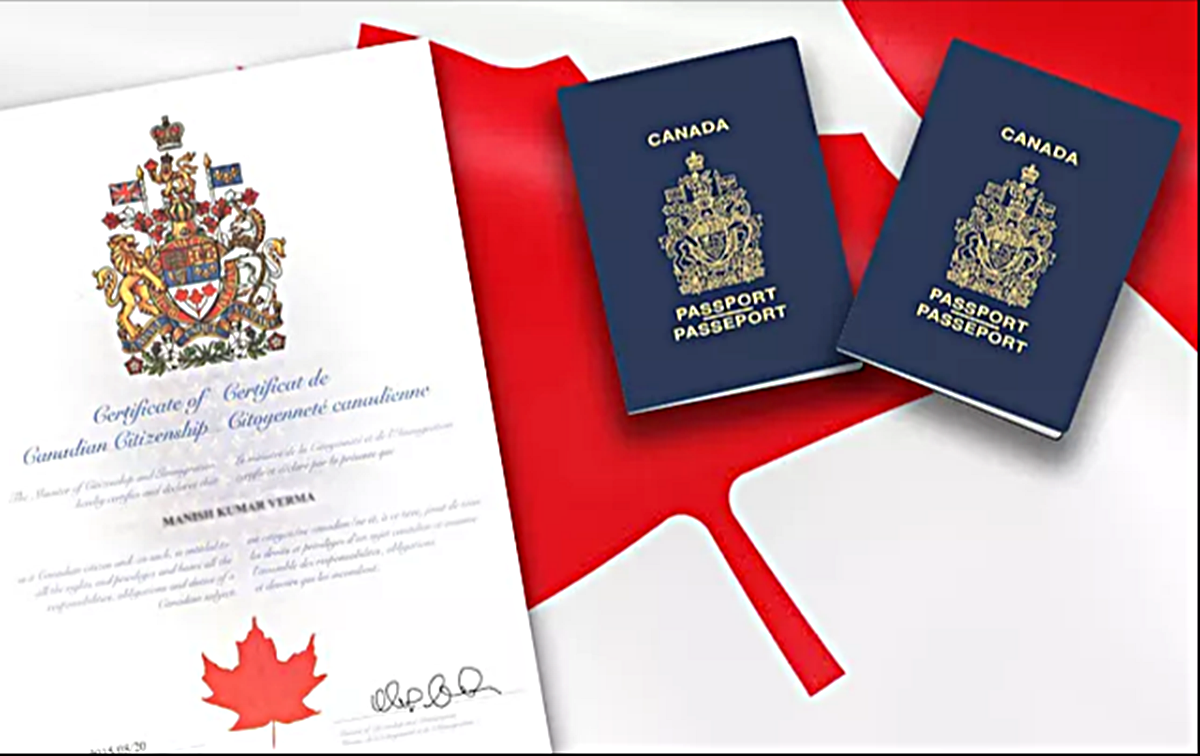
The Comprehensive Ranking System (CRS) is essentially your ticket to the Express Entry pool; it determines how high you rank among thousands of candidates competing for Canadian immigration. The score is calculated based on multiple factors, including age, education, work experience, language proficiency, and adaptability. Many applicants mistakenly focus solely on language tests or Canadian work experience, believing these are the only factors that matter. In reality, a strategic approach to CRS optimization can yield significant point gains, sometimes adding anywhere from 50 to 150 points, which can completely change your chances of receiving an invitation to apply.
Key Factors That Influence Your CRS Score
While each factor is important, certain areas offer more opportunity for point increases:
- Language Proficiency – Both English and French language test results matter. Even intermediate French skills can give a sizable CRS boost.
- Education – Additional degrees or certifications, once properly assessed through an Educational Credential Assessment (ECA), can add extra points.
- Work Experience – Verifying international or Canadian work experience with accurate documentation ensures your points reflect reality.
- Provincial Nomination – Receiving a provincial nomination adds a massive 600 points, practically guaranteeing an invitation to apply.
A Practical Example
Consider Sara, a 29-year-old software engineer from India. Initially, her CRS score was 430, which placed her below the cut-off in most draws. Here’s how strategic optimization changed her outcome:
- French Language Test – Sara invested in a TEF Canada exam and scored B2 in French. This alone added 25 points to her CRS.
- Additional Education – She completed an online Canadian-recognized diploma in software management, which was validated through an ECA, giving her another 15 points.
- Profile Accuracy – With the help of experts, she updated her work experience documentation to fully align with IRCC’s NOC requirements, adding 10 more points.
- Provincial Nomination – Sara applied for a tech-focused provincial program and received a nomination, adding 600 points.
Within weeks, Sara went from being stuck in the pool to receiving an invitation to apply. Her experience highlights how even small adjustments in the right areas can have exponential results.
Why CRS Optimization Matters in 2025
In 2025, CRS optimization isn’t optional; it’s essential. With category-based draws and program-specific priorities, candidates who ignore strategic point-boosting risk remaining in the pool indefinitely. By analyzing each factor, targeting areas with the highest impact, and carefully preparing documentation, applicants can transform a stagnant profile into one that stands out and ultimately secure Canadian permanent residence faster.
Why Your CRS Score Is Stuck, 10 Fixes That Actually Work
Feeling stuck in the Express Entry pool is frustrating. You’ve updated your profile, retaken language tests, and even added a new diploma, yet your Comprehensive Ranking System (CRS) score refuses to budge. The truth is, many applicants overlook subtle but impactful factors that IRCC evaluates carefully. In 2025, with category-based draws and program-specific priorities, these oversights can be the difference between waiting months and receiving an invitation to apply.
Common Reasons Your CRS Score Stalls
Many applicants overlook the small but significant elements that IRCC evaluates. Some recurring issues include:
- Incomplete work verification – Missing reference letters, incorrect job titles, or inconsistent employment dates can prevent your full work experience from counting.
- Misaligned NOC codes – Using the wrong National Occupational Classification (NOC) code may drastically reduce the points allocated for your experience.
- Unleveraged bonus programs – Provincial nominations, French language points, or spousal factors are often ignored by candidates, even though they can drastically improve your score.
- Profile errors or inconsistencies – Small discrepancies in your submitted documents or profile details can prevent point allocation for certain factors.
Here are 10 practical fixes that real-world candidates have used to boost their CRS, sometimes by 50–150 points, and get unstuck:
- Check Work Experience Documentation – Ensure reference letters, pay stubs, and employment contracts are complete and aligned with IRCC requirements. Missing dates or incomplete letters can prevent full points allocation.
- Align Your Job with the Correct NOC Code – Using the wrong National Occupational Classification (NOC) code can drastically reduce points. Double-check that your role matches the official NOC description.
- Strategically Retake Language Tests – Retest only when you can genuinely improve scores in speaking, writing, or reading. Small gains can translate to multiple CRS points.
- Validate Additional Education Credentials – Submitting extra diplomas or certificates through an Educational Credential Assessment (ECA) can increase education points. Even short-term courses recognized by Canadian authorities can make a difference.
- Consider a Provincial Nomination – Provincial Nominee Programs adds a whopping 600 points to your CRS. Target provinces that prioritize your occupation or experience.
- Include French Language Proficiency – Even intermediate French skills can boost CRS significantly, especially when combined with strong English results.
- Update Your Profile with Accurate Job Dates – Small mismatches in employment start and end dates can cost points. Ensure all positions are documented consistently.
- Leverage Spousal Factors – If applicable, including your spouse’s education, language proficiency, and work experience, can increase your overall CRS.
- Target Category-Based or Program-Specific Draws – Certain draws focus on healthcare, STEM, or trades. Aligning your profile to these categories increases your likelihood of receiving an invitation.
- Maintain Compliance and Avoid Discrepancies – Double-check that every document, from ECA reports to reference letters, matches what’s listed in your profile. IRCC rewards accuracy and penalizes inconsistencies.
Real-Life Example
Consider Ahmed, a 32-year-old IT professional. His CRS was stuck at 435 despite strong English scores and five years of work experience. After applying these fixes, correcting reference letters, updating NOC codes, adding a Canadian-recognized certification, and applying for a provincial nomination, his CRS jumped to 585 points, and he received an invitation to apply within weeks.
Why This Matters in 2025
Generic “quick fixes” rarely work. Today’s Express Entry system rewards strategy, accuracy, and completeness. Applying these ten fixes systematically not only increases your CRS but also positions you for category-based draws, program-specific invitations, and faster processing. In other words, these aren’t just tips; they’re essential steps for anyone serious about moving to Canada.

French Language Points: The Secret Weapon for Express Entry Success
It might surprise many applicants that French language proficiency is one of the most powerful yet underutilized tools in Express Entry. While most candidates focus solely on English tests like IELTS or CELPIP, even a moderate score in French through TEF Canada or TCF Canada can give your Comprehensive Ranking System (CRS) score a significant boost. This is especially true in 2025, when category-based draws are increasingly favoring bilingual candidates, healthcare professionals, and skilled tradespeople.
Why French Matters More Than Ever
Canada is officially bilingual, and IRCC recognizes the strategic value of French-speaking immigrants. Even if English is your primary language, demonstrating French proficiency can earn up to 50 additional CRS points in combination with your English scores. For applicants targeting healthcare or skilled trades, this isn’t just a bonus; it can make the difference between being on the cusp of an invitation and actually receiving one.
The advantage goes beyond points. French proficiency opens doors to category-based draws specifically designed to attract bilingual talent to provinces like Quebec, New Brunswick, and even parts of Ontario. These draws are often smaller and less competitive than general Express Entry rounds, meaning that a well-prepared bilingual applicant can move through the system faster.
Practical Ways to Leverage French for CRS Boost
For many candidates, learning French seems daunting. But even intermediate-level proficiency can yield substantial returns. A few strategic steps include:
- Language Testing – Register for TEF Canada or TCF Canada tests, focusing on areas you can improve relatively quickly, such as speaking and reading comprehension.
- Targeted Study – Short-term language courses, online French programs, or immersion sessions can dramatically improve test scores in a matter of months.
- Profile Optimization – Once your French test results are ready, ensure your Express Entry profile accurately reflects them. Combined with English-language results, these points are automatically added to your CRS.
Proof of Work Experience: What IRCC Actually Accepts (Updated Guide)
One of the most common stumbling blocks for Express Entry applicants is proving work experience in a way that IRCC considers valid. Many candidates assume that submitting a reference letter or contract is enough, but in 2025, IRCC is meticulous. Every detail matters, from job titles and duties to employment dates and hours worked per week. Even small discrepancies can lead to delays or, in worst cases, refusals.
Why Work Experience Verification Is Critical
Work experience is a key factor in your Comprehensive Ranking System (CRS) score and eligibility for programs like the Federal Skilled Worker Program (FSWP) or Canadian Experience Class (CEC). IRCC evaluates not only the length of your employment but also the relevance of your duties to your National Occupational Classification (NOC) code. This means a mismatch between your listed job responsibilities and IRCC’s expectations can lower your points or trigger questions.
Properly documented work experience demonstrates:
- Authenticity of your claims
- Compliance with IRCC’s NOC definitions
- Full-time equivalency
- Alignment with program requirements
Without these, even a highly qualified candidate can struggle to receive an invitation to apply.
Step-by-Step Guide to Documenting Work Experience
To avoid mistakes, VisaPath recommends a systematic approach to proving work experience. Here’s how applicants can ensure their documentation is robust and IRCC-ready:
- Reference Letters – These must be on official company letterhead and include:
- Employee name and job title
- Employment start and end dates (month and year)
- Hours worked per week (full-time vs. part-time)
- Detailed list of duties and responsibilities, aligned with the NOC code
- Name, title, and contact information of the person signing the letter
- Employment Contracts – Submit signed contracts or offer letters that corroborate your reference letters. Ensure roles, dates, and responsibilities match precisely.
- Pay Stubs and Tax Documents – Include monthly or annual pay stubs, bank statements, or tax documents that verify income and duration of employment. IRCC often uses these to confirm full-time equivalency.
- Job Descriptions – If reference letters are vague, provide a formal job description approved by your employer. This helps IRCC understand how your role fits the NOC.
- Portfolio or Evidence of Work (Optional) – Especially for creative, IT, or specialized roles, supporting documents such as project reports, certificates of completion, or work samples can strengthen credibility.
Common Mistakes to Avoid
Even minor errors can cause serious delays. Avoid:
- Listing duties that don’t match your NOC code
- Omitting employment dates or using inconsistent formats
- Providing letters without official letterheads or signatures
- Submitting unverifiable part-time work as full-time
Real-World Example
Consider Ravi, an engineer from India. Initially, his Express Entry profile listed his work experience based on a simple reference letter from his employer. IRCC flagged his experience because:
- The letter lacked hours per week and start/end dates
- Job duties were described in generic terms, not aligned with his NOC code
- No supporting pay stubs were provided
After consulting with VisaPath, Ravi’s profile was updated with:
- A detailed reference letter on company letterhead
- Verified start and end dates, and full-time equivalency
- Job duties carefully mapped to the NOC description
- Supporting pay stubs and tax documents
Within weeks of resubmission, Ravi’s work experience was fully recognized, and his CRS reflected the correct points.
Why Proper Documentation Is Non-Negotiable in 2025
In today’s Express Entry landscape, proper work experience documentation is no longer optional. It is essential for eligibility, CRS maximization, and avoiding delays or refusals. By maintaining accurate records, verifying NOC alignment, and providing clear, credible evidence, applicants can present a risk-proof profile that IRCC trusts without question.

Most Common Express Entry Refusal Reasons, And How to Avoid Them
Receiving a refusal from Immigration, Refugees and Citizenship Canada (IRCC) is stressful, but many denials are completely avoidable. In 2025, refusals typically occur not because candidates lack qualifications, but because of documentation errors, misrepresentation, or overlooked requirements. Understanding the root causes and proactively addressing them is key to a smooth Express Entry process.
1. Work Experience and Employment Verification Issues
One of the leading causes of refusal is misrepresentation or incomplete documentation of work experience. IRCC scrutinizes reference letters, contracts, pay stubs, and job descriptions to ensure they match your National Occupational Classification (NOC) code.
Common pitfalls:
- Generic or unsigned reference letters
- Job duties that don’t align with the NOC
- Inconsistent start and end dates
How to overcome:
- Provide detailed reference letters on official company letterhead, including duties, dates, and hours worked per week.
- Cross-check all employment documents against your NOC code.
- Include supporting evidence such as pay stubs, contracts, or project reports when relevant.
2. Language Test Errors or Incomplete Documentation
Language proficiency is another area where mistakes can lead to refusal. IRCC requires official, valid test results, and minor errors can cause delays or disqualification.
Common pitfalls:
- Submitting unofficial or scanned copies of test results
- Using expired language test results
- Failing to achieve the minimum required score for your program
How to overcome:
- Always submit official test results directly from the testing agency if possible.
- Confirm that your scores meet program-specific thresholds.
- Consider retesting strategically to maximize CRS points.
3. Educational Credential Assessment (ECA) Issues
Incorrect or outdated Educational Credential Assessments (ECA) are a frequent cause. Without proper validation, IRCC cannot verify your foreign education credentials.
Common pitfalls:
- Submitting an ECA that has expired or does not cover your highest degree
- Using a non-approved evaluation body
- Discrepancies between diploma certificates and ECA documents
How to overcome:
- Always use an IRCC-approved agency for ECA (e.g., WES, ICAS, IQAS).
- Ensure your ECA is valid and matches your highest level of education.
- Double-check that all submitted documents are consistent with your academic certificates.
4. Program-Specific Eligibility Failures
Even highly qualified applicants may fall short if they fail to meet program-specific criteria. Each Express Entry stream, FSWP, CEC, or FSTP, has distinct requirements for age, work experience, education, and language proficiency.
Common pitfalls:
- Applying under the wrong program
- Overlooking minimum work experience or skill level requirements
- Ignoring category-based or provincial draw requirements
How to overcome:
- Thoroughly review the eligibility criteria before submitting your profile.
- Choose the stream that best aligns with your experience, skills, and credentials.
- Leverage category-based draws or provincial programs strategically to maximize your chances.
5. Inconsistencies and Misrepresentation
Finally, IRCC is highly vigilant about misrepresentation, intentional or accidental. Any inconsistency between your application and supporting documents can trigger refusal or even a ban.
Common pitfalls:
- Contradictions between CV, reference letters, and official documents
- Omitting previous refusals or visa issues
- Inflating work experience, education, or language scores
How to overcome:
- Be transparent and thorough. Double- and triple-check every detail.
- Keep your CV, reference letters, and application consistent.
- Seek professional guidance from immigration experts like VisaPath to avoid unintentional misrepresentation.
Final Thoughts
Express Entry and CRS optimization in 2025 is not just about meeting minimum requirements. It’s about strategy, timing, and precision. Understanding the system, documenting every detail properly, and leveraging every point-boosting opportunity, including French language skills and category-specific draws, can make the difference between a stalled application and a successful path to Canadian permanent residence.
With firms like VisaPath Immigration, applicants receive guidance that’s not only compliant but also practical, strategic, and personalized. It’s the combination of technical expertise and human insight that turns hope into success.
Frequently Asked Questions
1. What is the minimum CRS score for Express Entry in 2025?
There is no fixed minimum; it varies depending on program-specific and category-based draws. Candidates should aim to maximize points in all areas to improve chances.
2. Can French language skills really boost CRS scores significantly?
Yes. Even intermediate proficiency can yield tens of extra points, particularly when combined with English test results or provincial nomination programs.
3. How long does it take to receive an invitation to apply after entering the Express Entry pool?
Processing time depends on CRS score, program, and category. Many high-score candidates receive invitations within weeks, but lower-score candidates may wait months or target specific draws.
4. What documents does IRCC accept to prove work experience?
IRCC requires employment letters, contracts, pay stubs, and sometimes detailed job descriptions aligned with the National Occupational Classification codes.
5. Can professional guidance really improve my Express Entry outcome?
Absolutely. Experts like VisaPath help identify CRS optimization opportunities, ensure compliance, and reduce errors, significantly improving the likelihood of receiving an invitation to apply.
