
Canada’s Provincial Nominee Programs (PNPs) remain one of the most strategic pathways to permanent residence, especially in 2025, as provinces actively tailor nominations to meet local labor market needs. Unlike general Express Entry draws, PNPs allow provinces to prioritize candidates whose skills, experience, and sometimes language abilities align with regional economic demands. For skilled workers, understanding province-specific requirements can make the difference between waiting years in the pool and receiving a fast-tracked invitation.
This guide breaks down major provincial streams, highlights changes for 2025, and uncovers underutilized pathways that applicants often miss.
Ontario PNP 2025: New Employer Job Offer Rules Explained
Ontario remains the most in-demand province for new immigrants, and with good reason. It’s the economic heart of Canada, home to thriving industries in tech, healthcare, finance, skilled trades, engineering, supply chain management, and education. But with the surge in applicants, the Ontario Immigrant Nominee Program (OINP) tightened its Employer Job Offer rules in 2025, reshaping who qualifies and how employers must support applicants.
These updates especially impact those applying under the Foreign Worker Stream and the International Student Stream. If you’re planning to rely on a job offer for your nomination, knowing these rules isn’t optional; it’s essential.
Understanding the New Employer Eligibility Requirements
Before, many candidates assumed that any Ontario employer could issue a job offer. In 2025, that’s no longer the case. The province introduced stricter employer verification measures to protect immigrant workers and ensure fairness.
✔ Verified Business Operations Are Mandatory
For an employer to support your nomination, they must now prove:
- They are actively operating in Ontario
- They hold a valid CRA number, HST returns, and business licenses.
- They meet the province’s minimum revenue requirements
- They employ a minimum number of full-time workers
This change ensures applicants don’t fall into the trap of “ghost employers” or companies with weak finances, issues that previously caused numerous refusals.
Job Offers Must Meet Market Wage Requirements
In 2025, Ontario made wage compliance stricter than ever.
✔ Job Offers Must Match or Exceed the Median Wage
Your offered salary must:
- Meet (or go above) the median wage listed for your NOC in your region
- Reflect genuine, full-time, year-round work.
- Align with industry standards.
This rule prevents underpaid job offers intended only to help candidates secure PR and ensures immigrants start their careers in Ontario with fair compensation.
Why this matters:
If your wage is even slightly below the regional median, your application can be refused. VisaPath frequently handles cases where candidates receive strong job offers but fail eligibility simply due to wage discrepancies that could have been corrected earlier.
Priority Occupations for 2025: Who the OINP Wants Most
Ontario’s labour market demands continue to shift, and in 2025, the province has clearly highlighted which sectors need talent urgently.
✔ High-Priority Occupation Groups
- Healthcare (nurses, PSWs, lab technicians, therapists)
- Technology (software engineers, programmers, cybersecurity analysts)
- Skilled Trades (electricians, plumbers, welders, HVAC techs)
- Finance & Accounting (financial auditors, investment analysts, CPAs)
- Engineering (civil, electrical, mechanical, environmental)
Applicants in these categories often enjoy:
- Faster processing
- Higher nomination chances
- More frequent targeted draws under the Human Capital Priorities Stream
If you work in one of these fields, Ontario wants you, with or without a job offer.
Why Simply Having a Job Offer Is Not Enough in 2025
This is the single biggest misunderstanding applicants face.
A job offer used to be the golden ticket.
Now, it’s only the beginning.
Your application can be refused if:
- Your employer is not eligible
- Your wage does not meet OINP standards.
- Your job duties don’t align with the NOC.
- The business cannot provide the required documentation.
- You fail to demonstrate full-time, permanent employment.
Lesson:
Your job offer must be IRCC-approved, NOC-aligned, OINP-eligible, and properly documented.
VisaPath sees countless clients who come with offers that look valid, but fail technical requirements. A quick strategic review often prevents months of delay.
Pro Tip: You Can Still Get Into OINP Without a Job Offer
This is where many applicants get confused and where your strategy matters most.
Ontario offers powerful no job offer pathways, especially:
- Human Capital Priorities (HCP) Stream
- French-Speaking Skilled Worker Stream
- Skilled Trades Stream (no job offer required if you have Ontario experience)
- Category-Based/Targeted Draws
✔ How High-CRS Candidates Get Selected Without Job Offers
You must:
- Keep an Express Entry profile active
- Maintain competitive CRS scores
- Align your NOC with Ontario’s priority list
- Watch for targeted draws that match your skills
VisaPath often helps candidates track OINP’s draw patterns to secure invitations without depending on employers.
What These Changes Mean for You (The Humanized Takeaway)
Ontario is refining its program not to make immigration harder but to ensure newcomers enter stable jobs, reliable workplaces, and genuine labour-market needs.
For applicants, this means:
- Greater job stability
- Higher long-term growth potential
- Fewer refusals due to employer issues
- More fair opportunities across industries
The competition is stronger, yes, but the pathways are still incredibly accessible when approached with the right strategy.

BC PNP Skills Immigration: Full 2025 Guide (2025 Update)
British Columbia continues to be one of the most attractive provinces for skilled immigrants, not just because of its lifestyle, but because of how intelligently its immigration system is designed. In 2025, the BC Provincial Nominee Program (BC PNP) Skills Immigration stream will become even more strategic. It rewards candidates whose skills directly match provincial labour demands rather than forcing them to chase extremely high CRS scores.
Unlike the federal system, BC operates its own points-based selection model, giving applicants a chance to stand out based on their value to the province, not just academic credentials. If federal draws feel unpredictable or competitive, BC PNP often becomes the “quiet shortcut” many applicants didn’t know they had.
Understanding the BC Scoring System in 2025
The provincial scoring model considers several practical factors, including your occupation, wage, education, work experience, and even the region of employment. But BC doesn’t follow the “perfect profile wins” logic. Instead, it looks for alignment. A candidate with average scores but a high-demand occupation can outperform someone with exceptional academics but little relevance to the labour market.
This is what makes BC unique: it prioritizes fit, not perfection.
For example, an early-career cybersecurity analyst may secure a nomination faster than a PhD researcher simply because cybersecurity is critical across BC’s digital and public sectors. This alignment-first approach makes the program one of the most accessible options for tech, healthcare, and trades professionals.
The Job Offer Requirement. What BC Really Expects
A full-time, permanent job offer from a BC employer remains central to the Skills Immigration stream. But BC is selective about what qualifies as a “valid job offer.” The employer must be actively operating in the province, offer a wage consistent with industry standards, and provide a role that fits within BC’s high-demand NOC categories.
The province wants long-term workers, not temporary placements. A strong job offer shows stability, both for the employer and the prospective candidate. Weak or poorly documented offers, on the other hand, are one of the top reasons applicants are delayed.
Yet here’s the part people often underestimate: BC is extremely employer-driven. When your skills solve a real labour shortage, whether in healthcare, construction, tech, or hospitality, your chances increase dramatically even without a perfect profile.
Who BC Prioritizes in 2025
In-demand occupations play a significant role in how the province issues invitations. Technology remains at the forefront, with software developers, data engineers, cybersecurity professionals, and cloud specialists appearing in almost every targeted draw. The BC Tech Stream is still one of the fastest PR pathways in the entire country.
Healthcare is equally prioritized. Nurses, medical lab technologists, pharmacists, and occupational therapists continue to receive invitations ahead of many other categories. This reflects BC’s growing healthcare needs and the province’s expansion of rural medical services.
Skilled trades, including carpenters, welders, plumbers, and electricians, have also become essential due to BC’s booming infrastructure and housing development projects. Even candidates with mid-level language scores but solid trades experience can secure nominations surprisingly quickly.
Language & Experience, How They Influence Your Score
You don’t need sky-high language scores to succeed under BC PNP, but you do need consistency. BC looks for language proficiency levels that support your ability to integrate effectively into the workplace. Canadian Language Benchmark levels around CLB 4–7 are common for many streams, though regulated professions may require higher.
Work experience is equally important. BC rewards hands-on experience directly related to your job offer. A year of experience in a high-demand field can weigh more than several years in a low-demand occupation. The program is structured to spotlight those who can step into the province’s workforce without lengthy training or adjustment periods.
Why CRS Isn’t Everything, BC Favors Strategy
Here’s the insight many applicants discover too late: BC PNP does not follow CRS logic. A candidate with a CRS of 480 may receive no interest from BC, while another with a CRS of 390 may be invited within weeks because their skillset fills an urgent gap.
Consider this scenario:
A cloud security specialist with a CRS of 421 was recently nominated under a BC Tech draw simply because cloud security is a provincial priority. Meanwhile, multiple applicants with CRS scores above 470 remained in the federal Express Entry pool with no movement. The difference wasn’t the number; it was the strategy.
BC rewards relevance, not rank.

Alberta Advantage Immigration Program (AAIP): Who Actually Gets Invited in 2025?
Alberta has always been one of the most interesting provinces when it comes to immigration strategy. Unlike Ontario or British Columbia, which rely heavily on structured scoring systems, the Alberta Advantage Immigration Program (AAIP) takes a more flexible, human approach. The province actively looks for candidates who can integrate quickly, stay long-term, and support Alberta’s rapidly shifting labour market. That’s why the AAIP remains one of the best pathways for applicants who don’t have a sky-high CRS score but do have meaningful ties to the province.
In 2025, Alberta continued to strengthen this model, giving clear preference to applicants with provincial connections, relevant work experience, and occupations facing chronic shortages.
What Alberta Prioritizes in 2025. The Real Selection Criteria
Alberta’s selection criteria aren’t simply about points; they revolve around fit, connection, and long-term retention. The province wants people who are likely to stay, build careers, and contribute to Alberta’s economy rather than migrate onward to larger provinces.
One of the strongest predictors of being selected is having local ties. Candidates who studied in Alberta, worked there previously, or have family in cities like Calgary, Edmonton, or Lethbridge often see their profiles rise to the top. Alberta interprets these ties as proof that the candidate understands the lifestyle, culture, and job market, reducing the risk of early relocation.
The second major criterion is job market alignment. Alberta continues to expand in four powerhouse sectors: healthcare, technology, transportation, and engineering. If an applicant’s occupation falls within these labor needs, their chances increase dramatically. Healthcare shortages remain critical, with demand for nurses, medical technicians, and support staff rising faster than the province can supply. The tech sector, particularly cybersecurity and network engineering, has been growing quickly due to federal and provincial investments in digital innovation. Transportation is equally vital, with trucking companies persistently short-staffed across the province. And Alberta’s oil, gas, and construction industries continue to rely on engineers and skilled tradespeople who can support ongoing infrastructure development.
Why CRS Isn’t a Dealbreaker in Alberta
One of the best-kept secrets about AAIP is that Alberta does not demand the extremely high CRS scores seen in federal draws. In fact, Alberta has repeatedly extended invitations to candidates with CRS scores in the low 300s, sometimes even lower, simply because their profiles match what the province needs.
Alberta’s philosophy is simple: a perfect CRS score means little if the applicant is unlikely to settle in the province or has no relevance to its industries. Conversely, a moderate CRS candidate in the right occupation can be fast-tracked.
This flexibility has made AAIP especially popular among applicants who feel “stuck” in the Express Entry pool waiting for federal draws that rarely favor mid-range scores.
A Real-World Example of How Alberta Selects Applicants
To see Alberta’s strategy in action, consider this scenario:
A mid-level IT specialist with three years of Alberta work experience returns to their home country but maintains strong ties to former colleagues and employers in Calgary. Their CRS sits around 450, competitive but not extraordinary. Meanwhile, federal draws are unpredictable, and general rounds are hovering higher.
Under Alberta’s system, this candidate jumps to the front of the line. Their past Alberta experience, occupation in tech, and proven ability to integrate into the province carry more weight than a higher CRS score held by someone with no provincial ties. VisaPath often sees such profiles nominated rapidly because Alberta recognizes the long-term value of applicants who already understand the province and have a track record of contributing to its workforce.
This example is not an exception; it’s the rule. If Alberta sees a clear economic benefit and a strong likelihood of settlement, the CRS number becomes a secondary factor.
Why Alberta’s Approach Works
Alberta’s immigration system thrives because it blends practicality with flexibility. The province isn’t just looking for skilled immigrants; it is looking for the right immigrants. The ones who will plant roots, fill gaps in high-need sectors, and become part of Alberta’s long-term economic vision.
This is why AAIP is consistently one of the strongest options for:
- mid-range CRS candidates,
- individuals with Alberta ties,
- professionals in essential occupations, and
- applicants who want predictable pathways rather than waiting indefinitely on federal draws.
Alberta values history, relevance, and potential, a combination that gives many applicants a real chance at Canadian permanent residency even when other pathways feel out of reach.
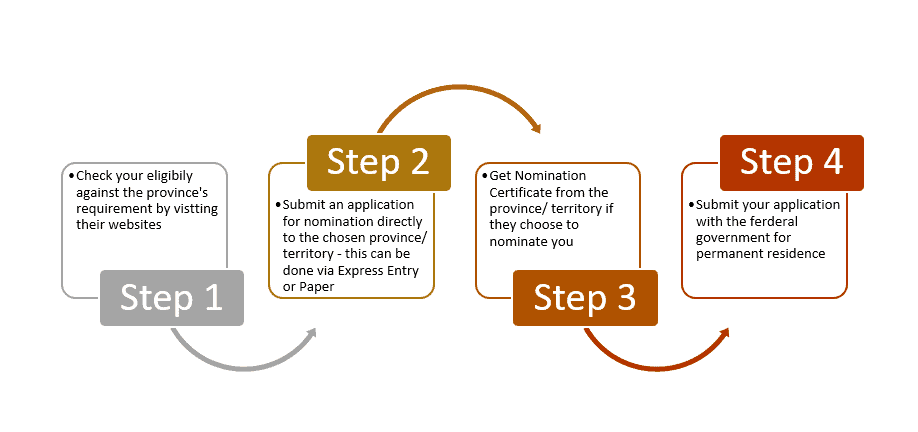
Easiest PNP Programs Without a Job Offer in 2025
While many people assume that a Canadian job offer is the golden ticket to securing a provincial nomination, that isn’t always the case. Several provinces intentionally design pathways for talented applicants who may not have had the chance to secure employment in Canada yet but possess strong education, experience, and language credentials. In 2025, these “no job offer required” streams have become some of the most strategic and accessible entry points into Canadian permanent residency, especially for candidates already in the Express Entry pool.
These pathways are ideal for applicants who want more control over their immigration journey, rather than waiting endlessly for employer sponsorships or competing in crowded job markets from overseas.
Saskatchewan Express Entry Sub-Category. A Favorite Among Skilled Workers
Saskatchewan continues to run one of the most popular Express Entry–aligned streams because it rewards applicants with in-demand skills, rather than employer connections. Instead of requiring a job offer, Saskatchewan evaluates candidates based on factors such as work experience, language scores, and educational background. Applicants with careers in engineering, healthcare, trades, agriculture, and technology often find themselves shortlisted quickly, even when their CRS isn’t exceptionally high.
What makes Saskatchewan particularly attractive is the province’s transparent approach. Applicants can check their eligibility through the SINP Occupations In-Demand list and track provincial updates consistently. This clarity gives candidates a sense of direction that many other provinces don’t provide.
Nova Scotia Demand: Express Entry. The Quiet but Powerful Option
Nova Scotia has long been considered one of the most immigrant-friendly provinces in Canada, and its Demand: Express Entry stream reflects this reputation. The beauty of this program is its simplicity: candidates in select high-demand occupations can receive an invitation without ever securing a job offer. The province regularly targets professionals in healthcare, finance, tech, and social services, depending on regional shortages.
Nova Scotia is strategic in the way it conducts its draws, quiet, targeted, and often unexpected. This means that candidates who align with the province’s needs can suddenly find themselves invited even if they haven’t been actively monitoring every update. The unpredictability works in favor of well-qualified applicants who meet Nova Scotia’s standards and weigh their occupations.
Ontario Human Capital Priorities Stream. The Premier CRS-Driven Pathway
Ontario’s Human Capital Priorities (HCP) Stream remains one of the most competitive but rewarding pathways for candidates without a job offer. Instead of focusing on employer endorsements, Ontario scans the Express Entry pool for applicants with high CRS scores, strong language proficiency, and experience in priority occupations such as technology, finance, engineering, business, and health services.
The province runs both general and targeted skill draws, which makes it easier for applicants to time their strategy. Skilled professionals in tech, especially those with French proficiency or specialized certifications, often receive Notifications of Interest (NOIs) even before securing Canadian employment. For many candidates, HCP represents a chance to stand out based on merit rather than employer connections, a significant advantage in 2025 when job-offer-based streams are tightening their requirements.
How to Increase Your Chances. A Realistic Strategy
Streams without job offers often move quickly, and invitations can fluctuate based on provincial needs. That’s why the smartest strategy is to monitor provincial draw updates regularly, optimize your Express Entry profile with fresh language scores or additional credentials, and stay proactive in aligning your experience with the roles provinces are targeting.
VisaPath frequently guides clients to maintain “draw-ready profiles,” meaning profiles that can immediately compete the moment a province opens or updates a stream. This is particularly important for job-offer-free programs because they rely heavily on timing, accuracy, and how well your profile matches the province’s current labour priorities.
For many candidates, these pathways not only provide a realistic shot at permanent residency but also remove the pressure of securing employer sponsorship from abroad, a major advantage for skilled professionals navigating Canada’s fast-evolving immigration system.
Top 10 “Hidden” PNP Pathways Most Applicants Miss
Beyond mainstream streams, several provinces offer niche or underutilized pathways that can significantly increase your chances of nomination. Some examples include:
- Manitoba Skilled Workers in Specific Rural Communities
- New Brunswick Express Entry Labor Market Stream
- Prince Edward Island Critical Worker Stream
- Nova Scotia Occupation In-Demand Stream for Healthcare
- Saskatchewan Occupation-Specific Streams (e.g., trades, tech)
- Ontario French-Speaking Skilled Worker Stream
- British Columbia Tech Pilot for Specialized Roles
- Alberta Semi-Skilled Worker Streams in Rural Areas
- Newfoundland and Labrador Critical Skills Program
- Quebec Skilled Worker Program (for bilingual candidates, not under Express Entry)
Insight: Many applicants focus only on high-profile provinces, unaware that these “hidden” pathways often have lower competition and more flexible eligibility requirements. Consulting experts like VisaPath can help identify which of these niche programs match your qualifications.
Final Thoughts
In 2025, Provincial Nominee Programs offer a strategic advantage for skilled immigrants, but success requires careful research, precise documentation, and alignment with provincial priorities. Whether targeting Ontario’s updated employer streams, BC’s skills immigration points system, or Alberta’s advantage program, understanding the nuances can transform a standard Express Entry profile into a fast-tracked permanent residence pathway.
By exploring streams without job offers and hidden PNP pathways, applicants can uncover opportunities often missed by the majority, giving them a significant edge in Canada’s competitive immigration landscape.
Ready to Get Approved? Let’s Talk.
Frequently Asked Questions
Do I always need a job offer for a PNP nomination?
No. Several streams, like Ontario Human Capital Priorities or Saskatchewan Express Entry Sub-Category, allow nominations without a job offer if you meet criteria.
Can a provincial nomination increase my CRS score?
Yes. Receiving a PNP nomination adds 600 points to your CRS, virtually guaranteeing an invitation to apply.
Which provinces are easiest for candidates without Canadian work experience?
Ontario, Saskatchewan, and Nova Scotia have streams specifically targeting high CRS candidates or in-demand occupations without requiring a job offer.
Are there specific programs for bilingual or French-speaking applicants?
Yes. Ontario and Quebec offer streams for French-speaking skilled workers, and many provinces give CRS points for French proficiency in combination with English.
How do I know which “hidden” PNP pathways I qualify for?
Consulting a professional immigration service like VisaPath can help identify niche streams matching your occupation, skills, and background, increasing your nomination chances.
