
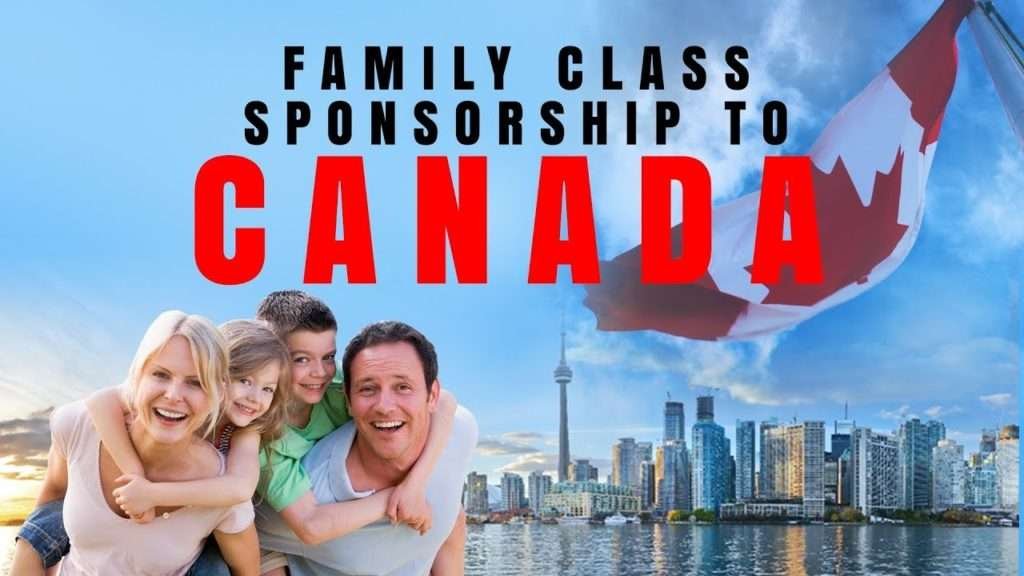
Canada remains one of the most family-friendly immigration destinations, with pathways designed to reunite loved ones. Family sponsorship programs allow Canadian citizens and permanent residents to sponsor spouses, common-law partners, and other eligible relatives. In 2025, there are important updates and strategies that applicants need to understand to avoid delays, refusals, or unnecessary stress.
Spousal Sponsorship 2025 Guide: Inland vs Outland
Sponsoring a spouse or common-law partner is one of the most meaningful immigration pathways in Canada, but deciding whether to apply inland or outland can significantly impact processing times, work authorization, and overall strategy. In 2025, understanding the nuances of each pathway is more important than ever.
Inland Sponsorship: Living Together in Canada
Inland sponsorship is designed for couples who are already residing in Canada. The key advantage is that the applicant can stay in the country throughout the application process, maintaining continuity in life, work, and family responsibilities.
One of the major benefits of inland sponsorship is eligibility for an open work permit. This means the applicant can legally work while the sponsorship is being processed, a crucial factor for couples relying on Canadian income or aiming to gain Canadian work experience for future immigration steps.
Processing times for inland applications are often slightly longer than outland, usually averaging 16–20 months. However, this pathway is ideal for couples living together because it eliminates travel complications, provides stability, and allows families to remain united during the waiting period.
Outland Sponsorship: Applying from Abroad
Outland sponsorship, on the other hand, is for applicants residing outside Canada. In many cases, outland applications are processed faster than inland applications, particularly for applicants in their home country or in countries where visa offices are well-staffed.
While outland sponsorship does not allow the applicant to work in Canada until permanent residency is granted, it provides more straightforward travel options. Applicants can travel to Canada during the process if required, for example, for visits or short-term programs, though work authorization is restricted until PR approval.
Strategic Considerations
Choosing between inland and outland is not merely about location—it’s about long-term planning and the couple’s unique circumstances. Factors to consider include:
- Current residency: Are you both already in Canada, or is one partner abroad?
- Work needs: Does the applicant need to work during processing?
- Travel flexibility: Will the applicant need to leave or enter Canada before PR is granted?
- Processing priorities: Are you looking for faster processing or family stability?
Many VisaPath clients find that a detailed consultation helps determine the optimal pathway, minimizing delays and maximizing work and PR opportunities. With the right approach, inland or outland sponsorship can be navigated smoothly, keeping families together while meeting IRCC requirements.
Common-Law Sponsorship: What IRCC Actually Accepts as Proof
Sponsoring a common-law partner is one of the most nuanced areas of Canadian immigration. Unlike formal marriage, common-law sponsorship requires demonstrating a genuine, marriage-like relationship lasting at least 12 consecutive months. In 2025, IRCC officers are applying stricter scrutiny, making it essential to provide credible and multifaceted evidence that leaves no room for doubt.
Building a Comprehensive Evidence Package
To satisfy IRCC, applicants must show that their relationship is authentic, ongoing, and rooted in shared life responsibilities. Some of the most effective types of evidence include:
- Joint leases or property ownership: Demonstrates cohabitation and shared financial responsibility.
- Shared bank accounts or utility bills: Highlights integration of finances and daily life.
- Photographs spanning the relationship: Include milestones, family gatherings, and travel events to illustrate continuity.
- Travel history showing joint trips or visits: Tickets, itineraries, or visa stamps provide proof of commitment over time.
- Affidavits from friends, family, or colleagues: Third-party statements confirming the relationship add credibility, particularly when describing the couple’s shared routines, decision-making, and long-term planning.
Creating a Cohesive Narrative
Collecting documents is just the first step. IRCC looks for consistency, authenticity, and a clear story of the relationship. For instance, mismatched dates between leases and utility bills, or conflicting statements in affidavits, can raise red flags. The goal is to paint a complete picture of a relationship that mirrors the responsibilities and commitments of a legally married couple.
Applicants should focus on:
- Showing that cohabitation has been continuous for at least 12 months.
- Demonstrating financial interdependence, such as shared expenses or joint accounts.
- Highlighting social and familial integration—friends, family, and social networks, recognizing the relationship.
Strategic Tips
- Organize documents chronologically: Officers can follow the relationship’s timeline easily.
- Include both partners’ perspectives: Joint statements explaining shared responsibilities, financial arrangements, and future plans strengthen the narrative.
- Avoid gaps in evidence: Missing months of cohabitation or uncorroborated claims can create doubt.
- Professional guidance: Immigration experts can review evidence packages to ensure nothing is overlooked, maximizing approval chances.
By combining robust documentation with a clear, consistent narrative, common-law applicants can confidently present their case, reducing the likelihood of requests for additional information or refusals. In 2025, attention to detail, thorough evidence, and strategic presentation are the keys to success.

Top 20 Documents Officers Look For in Spousal Applications
A successful spousal sponsorship application is not just about proving love—it’s about providing a well-documented, credible case that convinces IRCC of the authenticity of your relationship. In 2025, officers scrutinize evidence, looking for consistency, authenticity, and completeness. Below is a comprehensive guide to the most critical documents, including relevant IMM forms where applicable.
Foundational Identity and Relationship Documents
- Marriage Certificate – If married, provide an official marriage certificate. For common-law partners, provide proof of cohabitation using affidavits or lease agreements.
- Birth Certificates – Both the sponsor and the applicant should submit certified copies.
- Passport Copies – Include all pages with stamps, visas, or amendments.
- Sponsor Proof – Canadian citizens must submit IMM 0008 (Generic Application Form) or proof of citizenship; permanent residents must provide their PR cards.
These documents establish identity and the legal basis of the sponsorship.
Evidence of Relationship
- Photos Together Over Time – Include milestones, family events, holidays, and social gatherings.
- Joint Bank Statements – Show financial interdependence.
- Shared Utility Bills – Demonstrate cohabitation.
- Lease or Mortgage Agreements – Include names of both partners, showing residence together.
- Insurance Policies – Health, life, or auto policies listing both names reinforce shared responsibility.
Travel and Communication Evidence
- Travel Tickets or Boarding Passes – Proof of visits, trips, and time spent together.
- Social Media Evidence – Only if consistent and verifiable; can include joint announcements or posts about shared milestones.
- Affidavits from Friends and Family – Statements confirming the relationship are powerful, especially when notarized.
- Communication Logs – Emails, text messages, or call records showing ongoing contact, especially if long-distance at any point.
Supporting Financial and Professional Evidence
- Employment Letters – Showing job timelines, especially if couples worked in the same location or supported each other financially.
- Tax Filings – Demonstrating financial integration; include both sponsor and applicant when possible.
- Health or Emergency Contacts – Listing each other as primary contacts reinforces shared life responsibilities.
Additional Proof of Life Together
- Wedding Invitations or Event Receipts – Adds context to shared life events.
- Children’s Birth or Adoption Records – If applicable, proving joint family responsibilities.
- Correspondence with Embassies or Immigration Officials – Copies of prior communications can establish ongoing legal intent and transparency.
- Proof of Joint Responsibilities – Loans, memberships, or pets show real-life cohabitation and commitment.
IMM Forms to Include
- IMM 1344 – Application to Sponsor, Sponsorship Agreement, and Undertaking: Core sponsorship form for sponsors.
- IMM 0008 – Generic Application Form: Used by the principal applicant.
- IMM 5669 – Schedule A, Background/Declaration: Background and personal history information.
- IMM 5406 – Additional Family Information: Includes household and family data.
- IMM 5476 – Use of Representative (if applicable): If using a lawyer or consultant.
Pro Tips for Organizing Your Application
- Chronological Order: Arrange documents by timeline to create a clear narrative.
- Consistency: Ensure names, dates, and addresses match across all forms and documents.
- Complete Packages: Missing documents are one of the most common causes of delays or requests for additional information.
- Narrative Explanation: Include a cover letter summarizing the evidence and highlighting the strongest proof points.
When done correctly, this comprehensive documentation package not only satisfies IRCC requirements but also minimizes requests for additional information, helping your application proceed smoothly and efficiently.

How to Respond to a Procedural Fairness Letter for Spousal Sponsorship
Receiving a Procedural Fairness Letter (PFL) can feel stressful or even alarming. After all, it’s an official communication from Immigration, Refugees and Citizenship Canada (IRCC) indicating that the officer reviewing your spousal sponsorship application has identified concerns or inconsistencies. But while intimidating, a PFL is not a refusal. It’s an opportunity to clarify, correct, and strengthen your application—if approached strategically.
Step 1: Review the Letter Carefully
The first and most critical step is thoroughly reading the PFL. Officers will outline specific points that need clarification, such as:
- Gaps or inconsistencies in the relationship timeline
- Missing or insufficient supporting documents
- Questions about financial dependence or cohabitation
- Concerns about the authenticity of affidavits or third-party statements
Understanding each issue precisely allows you to craft a focused response, rather than sending a generic or incomplete package that may do more harm than good.
Step 2: Provide Clear Evidence and Documentation
Once you know what IRCC is questioning, gather all relevant evidence to address each concern. Examples include:
- Corrected forms or declarations with accurate dates and information
- Additional supporting documents, such as joint bank statements, lease agreements, or photographs
- Clarifications for discrepancies previously noticed by the officer
The goal is to remove any doubt about the authenticity of your relationship. Ensure all submissions are legible, organized, and clearly labeled to make it easy for the officer to follow.
Step 3: Be Concise, Factual, and Professional
It’s natural to want to explain yourself emotionally, but IRCC officers prioritize verifiable facts over sentiment. Focus on:
- Straightforward explanations for any inconsistencies
- Cross-referencing supporting documents with clear headings
- Avoiding emotional appeals or personal commentary unrelated to the facts
Think of your response as a business report: precise, professional, and evidence-driven.
Step 4: Seek Professional Guidance
A PFL can be complex, and mistakes in your response can jeopardize your application. Many VisaPath clients find that professional guidance ensures:
- All officer concerns are fully addressed
- Evidence is presented in the most persuasive and organized way
- Risk of additional questions or delays is minimized
Immigration lawyers or certified consultants can help draft a response letter, organize documents, and provide strategic advice tailored to your case.
Step 5: Submit Timely and Complete Responses
IRCC sets a strict deadline for PFL responses. Late submissions may result in refusal. Key tips include:
- Respond before the deadline to demonstrate compliance
- Include a cover letter summarizing your responses for clarity
- Ensure all requested and supporting documents are enclosed
A timely, thorough, and well-structured response can reverse potential refusals, keep your application on track, and demonstrate your commitment to providing complete and accurate information.
Key Takeaway:
A Procedural Fairness Letter is not the end of the road—it’s a strategic opportunity. By carefully reviewing the officer’s concerns, providing concise and verifiable evidence, and seeking professional guidance if necessary, you can turn a potential roadblock into a successful outcome, keeping your spousal sponsorship application moving forward smoothly.
Final Thoughts on Family Sponsorship 2025
Family sponsorship is one of the most rewarding pathways to Canadian permanent residency, but it demands meticulous preparation, strategy, and attention to detail. From choosing inland versus outland to submitting a compelling common-law proof package, every step matters.
Call to Action: If you’re planning to sponsor a spouse or common-law partner, start early, prepare thoroughly, and consult experts who understand 2025 requirements. A well-prepared application today can save months of stress and uncertainty tomorrow.
Frequently Asked Questions
1. Can I sponsor a spouse if we live apart temporarily?
Yes, but you must provide strong evidence of an ongoing relationship, including communication, visits, and shared responsibilities.
2. How long does a spousal sponsorship application take in 2025?
Processing times vary: inland applications average 16–20 months, outland can be slightly faster depending on the country of residence.
3. What is the difference between spousal and common-law sponsorship?
Spousal sponsorship is for legally married couples, while common-law requires proof of a 12-month cohabiting relationship without formal marriage.
4. What happens if IRCC asks for additional documents?
You must respond promptly with complete, organized, and verifiable evidence. Ignoring requests can lead to refusal.
5. Can a spouse work while the sponsorship application is in process?
Yes, if applying inland and eligible for an open work permit. Outland applicants generally cannot work until PR is granted.
