

Canada has long been a top destination for international students, offering world-class education, post-graduation work opportunities, and clear pathways to permanent residency. In 2025, navigating study permits, the Post-Graduation Work Permit (PGWP), and PR pathways requires careful planning, as new rules, caps, and processing standards have changed the landscape. This guide breaks down the essentials to help students make informed decisions.
Study Permit Refusal Reasons: Updated 2025 Officer Notes Analysis
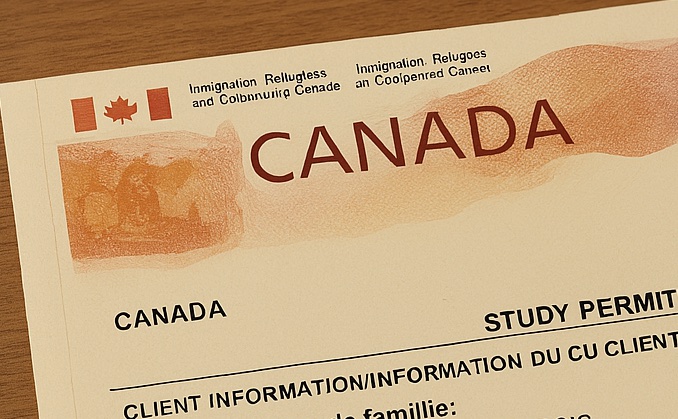
Even the most qualified applicants sometimes face study permit refusals in 2025. Canada’s Immigration, Refugees and Citizenship Canada (IRCC) officers are now applying stricter scrutiny than ever, focusing not just on the basics but on financial credibility, genuine study intent, and the alignment of chosen programs with prior education and career goals. Understanding the reasons behind refusals can save applicants from costly mistakes and unnecessary delays.
1. Insufficient Funds or Unclear Financial Documentation
Financial proof is one of the most common stumbling blocks. Officers want to see that applicants can fully cover tuition, living expenses, and return contingencies. Bank statements, loans, and sponsor letters must be clear, verifiable, and consistent. Ambiguous documentation or unsupported claims of funds are frequent triggers for refusal. In 2025, even small discrepancies, like a missing page from a bank statement or an unclear source of funds, can prompt a denial.
2. Lack of Convincing Study Plan
A compelling study plan is more than a statement of intent; it’s a roadmap showing why the program makes sense for the applicant. Officers assess whether the chosen course aligns logically with previous education and career objectives. Generic explanations, vague career goals, or programs that appear disconnected from the applicant’s background often raise red flags. For instance, a student with a finance degree applying for an unrelated arts diploma may face increased scrutiny unless a strong rationale is provided.
3. Incomplete or Inconsistent Documents
IRCC requires meticulous attention to detail. Passport validity, previous visas, transcripts, admission letters, and reference documents must all match and be verifiable. Even minor inconsistencies, like a different date on a transcript versus the admission letter, can create doubts about credibility. Officers often cross-check multiple documents to ensure consistency, so comprehensive preparation is essential.
4. Low Ties to the Home Country
Immigration officers need assurance that international students intend to return home after completing their studies, unless they qualify for work permits or PR pathways. Evidence of low ties, such as a lack of family, property, or financial commitments in the home country, can trigger refusals. Applicants must demonstrate connections through tangible documentation like family records, employment commitments, or property ownership to strengthen their case.
Pro Tips to Reduce Refusal Risk
Success in 2025 depends on proactive preparation and attention to detail:
- Prepare a detailed study plan clearly showing academic and career alignment.
- Validate and organize financial resources, ensuring clarity and consistency.
- Double-check all documents for accuracy and consistency, leaving no room for discrepancies.
- Include evidence of strong ties to your home country, reinforcing your genuine temporary intent.
Many VisaPath clients avoid refusals by addressing these priorities before submission, demonstrating that careful planning and strategic documentation can make all the difference.
PGWP 2025 Changes: What You Must Know Before Applying
The Post-Graduation Work Permit (PGWP) remains one of the most valuable tools for international students in Canada, serving as a bridge between education and Canadian work experience, which is crucial for achieving permanent residency. In 2025, several key updates have reshaped eligibility, processing, and strategic planning for applicants. Understanding these changes can prevent delays, refusals, or missed opportunities.
Program Length Requirements
One of the most significant updates in 2025 concerns the minimum program length. Only full-time programs of 8 months or more now qualify for a PGWP. Programs shorter than this no longer generate automatic work permit eligibility. This change emphasizes the importance of selecting the right program from the start. Students should ensure their program not only meets PGWP requirements but also aligns with long-term career and immigration goals.
One-Time Application Limit
In 2025, students can apply for a PGWP only once. Timing has therefore become critical. Applications must be submitted within 180 days of receiving final transcripts or completion letters. Missing this window can result in permanent ineligibility, meaning students could lose the opportunity to gain crucial Canadian work experience. Strategic planning around program completion and document collection is essential.
Processing Timelines
Due to rising international student intake, average processing times for PGWP applications have increased slightly. Early preparation is more important than ever. Submitting a complete and organized application with all supporting documents can reduce unnecessary delays. VisaPath frequently advises students to gather transcripts, completion letters, and passport details in advance to streamline submission.
Employer-Specific and Immigration Incentives
Work experience gained under a PGWP now plays a central role in Express Entry CRS scoring, particularly for Canadian experience points. This means the type of employment, job level, and skill category can significantly affect your permanent residency prospects. Choosing jobs in high-demand TEER 0–3 occupations not only maximizes CRS points but also opens doors to category-specific draws and provincial nominations.
Practical Advice for Students
To maximize PGWP benefits in 2025, students should:
- Plan study programs carefully to meet the 8-month minimum and align with PR pathways.
- Track completion timelines to ensure PGWP applications are submitted within the 180-day window.
- Select work experience strategically post-graduation to increase CRS points and PR eligibility.
- Stay informed about provincial nomination opportunities and targeted draws, which can further enhance pathways to permanent residency.
By understanding these 2025 changes, international students can use PGWP as a powerful launchpad for building Canadian work experience, enhancing CRS scores, and securing permanent residency faster.

How International Students Can Get PR: All Pathways Explained
Canada has long been a top destination for international students, not only for education but also for the opportunity to transition to permanent residency (PR). In 2025, the landscape offers multiple pathways, and understanding each is key to a strategic PR plan.
1. Canadian Experience Class (CEC)
The Canadian Experience Class (CEC) remains one of the most direct pathways for international students. To qualify, students need Canadian work experience gained through a Post-Graduation Work Permit (PGWP) in skilled TEER 0–3 occupations. Work experience obtained under PGWP is particularly valuable, as it contributes significantly to Comprehensive Ranking System (CRS) points under Express Entry. For students, this means that even a few years of strategic work in Canada can greatly improve PR chances.
2. Provincial Nominee Programs (PNPs)
Many provinces have graduate-specific streams tailored to attract international talent. For example:
- Ontario’s Human Capital Priorities Stream prioritizes candidates with high CRS scores and in-demand occupations.
- British Columbia’s International Graduate Stream targets graduates from recognized institutions with Canadian work experience or job offers in priority sectors.
These programs provide a nomination certificate, adding 600 points to CRS scores, effectively guaranteeing an invitation to apply for PR. Strategic use of PNPs can accelerate the journey from graduation to permanent residency.
3. Express Entry Points for Canadian Education and Work Experience
Canadian education and work experience play a critical role in the Express Entry system. Completing a post-secondary program in Canada can earn significant CRS points, especially when paired with work experience under a PGWP. This combination often allows graduates to compete in both general draws and category-based draws, giving them multiple opportunities to receive an invitation to apply.
4. Quebec Graduate Program
Quebec operates its own set of skilled worker streams for graduates of recognized institutions. These programs are separate from the federal system and prioritize candidates who meet Quebec’s labor market needs. Graduates can leverage Quebec’s unique pathways to secure permanent residency while aligning with provincial priorities.
Strategic Insight
The most effective approach combines PGWP work experience with provincial nominations and strategic CRS optimization. By doing so, international students can create a fast-tracked, well-documented, and highly competitive pathway to PR, reducing delays and increasing the likelihood of success.
Best Programs in Canada for PR After Graduation
Choosing the right study program is about more than personal interest; it’s a strategic decision that can significantly impact your pathway to permanent residency (PR). In 2025, certain programs and fields of study are particularly advantageous for international students aiming to maximize Comprehensive Ranking System (CRS) points and provincial nomination opportunities.
STEM Programs: Engineering, AI, Computer Science, and Biotech
Programs in science, technology, engineering, and mathematics (STEM) remain highly valued in Canada’s immigration system. Graduates from fields like engineering, computer science, artificial intelligence, and biotechnology are in demand across federal and provincial programs. Completing a STEM program not only increases your eligibility for Express Entry points but also aligns with priority occupations for many Provincial Nominee Programs (PNPs), giving students an edge in competitive draws.
Healthcare Programs
Healthcare remains a critical sector in Canada, and graduates in fields like nursing, medical technology, and allied health professions often benefit from category-based draws. These programs provide both work experience opportunities and direct routes to provincial nominations, making them highly strategic for students who aim to secure PR shortly after graduation.
Trades Programs: Skilled and In-Demand
Skilled trades programs, such as electricians, welders, and heavy-duty technicians, are increasingly valuable for provincial streams, particularly those that don’t require a prior job offer. Graduates in these programs may access fast-track provincial nominations, especially in provinces facing labor shortages, creating a straightforward pathway to Canadian permanent residency.
Strategic Insight
Selecting a program isn’t just about academic interest; it’s about aligning with Canada’s labor market needs. Graduates who strategically choose programs in high-demand sectors position themselves for higher CRS scores, provincial nominations, and faster PR pathways. Planning early, understanding labor trends, and choosing programs with recognized post-graduation work opportunities can make a substantial difference in immigration success.

New Cap on International Students: How It Affects Your Plans
In 2025, Canada introduced a temporary cap on international student intake at select institutions. The measure aims to manage infrastructure pressures and ensure smoother labor-market integration for graduates. While not all universities and colleges are affected, this change has significant implications for planning your study and immigration pathway.
Early Application Deadlines Matter More Than Ever
With intake limits in place, applying late, even with excellent academic credentials, can mean missing your preferred program or institution. Many high-demand programs fill quickly, and once quotas are reached, IRCC may delay approvals or deny entry, regardless of your qualifications. Strategic planning and early application submission are now essential components of a successful study permit application.
Program Selection Strategy is Critical
Not every program is created equal when it comes to post-graduation work and PR pathways. Students should prioritize programs recognized for PGWP eligibility and those that align with provincial nomination opportunities. For example, STEM, healthcare, and skilled trades programs often provide both a work permit and PR advantages, ensuring that your education is a stepping stone, not just a credential.
Have a Contingency Plan
With intake caps, even well-prepared students may encounter unforeseen hurdles. Considering backup institutions or alternate pathways, such as private colleges with PGWP-eligible programs, can prevent delays or missed opportunities. Contingency planning ensures that, even if one pathway is temporarily closed, your study and immigration goals remain on track.
Strategic Takeaway
The introduction of a student cap highlights the need for careful, proactive planning. Waiting too long or making last-minute decisions could jeopardize both your study and permanent residency timelines. Professional guidance can help identify eligible programs, optimize PGWP potential, and navigate the application process efficiently, turning potential obstacles into strategic advantages.
Final Thoughts
Canada continues to offer unmatched opportunities for international students, but 2025 demands strategy, foresight, and preparation. From securing study permits and navigating PGWP requirements to choosing the right program for future PR, every step must be deliberate.
Take Action Today: Start by selecting programs that align with labor market needs, prepare thorough documentation for your study permit, and plan your PGWP pathway carefully. Professional guidance can help you avoid refusals, maximize CRS points, and position yourself for a successful permanent residency journey in Canada.
Frequently Asked Questions
1. Can short-term programs under 8 months qualify for PGWP?
No. Only full-time programs of 8 months or longer are eligible for a PGWP in 2025.
2. How long do I have to apply for PGWP after graduation?
You must submit your PGWP application within 180 days of receiving your final transcript or completion letter.
3. Do all Canadian institutions offer programs eligible for PGWP?
No. Only designated learning institutions (DLIs) recognized by IRCC are eligible. Check the DLI list before applying.
4. Can PGWP experience help me qualify for PR?
Yes. Work experience gained under PGWP contributes to CRS points in Express Entry and can qualify for Provincial Nominee Programs.
5. How does the new international student cap affect me?
Certain programs have limited intake. Applying early, selecting eligible programs, and having a backup plan are essential to securing your spot and PGWP eligibility.
