
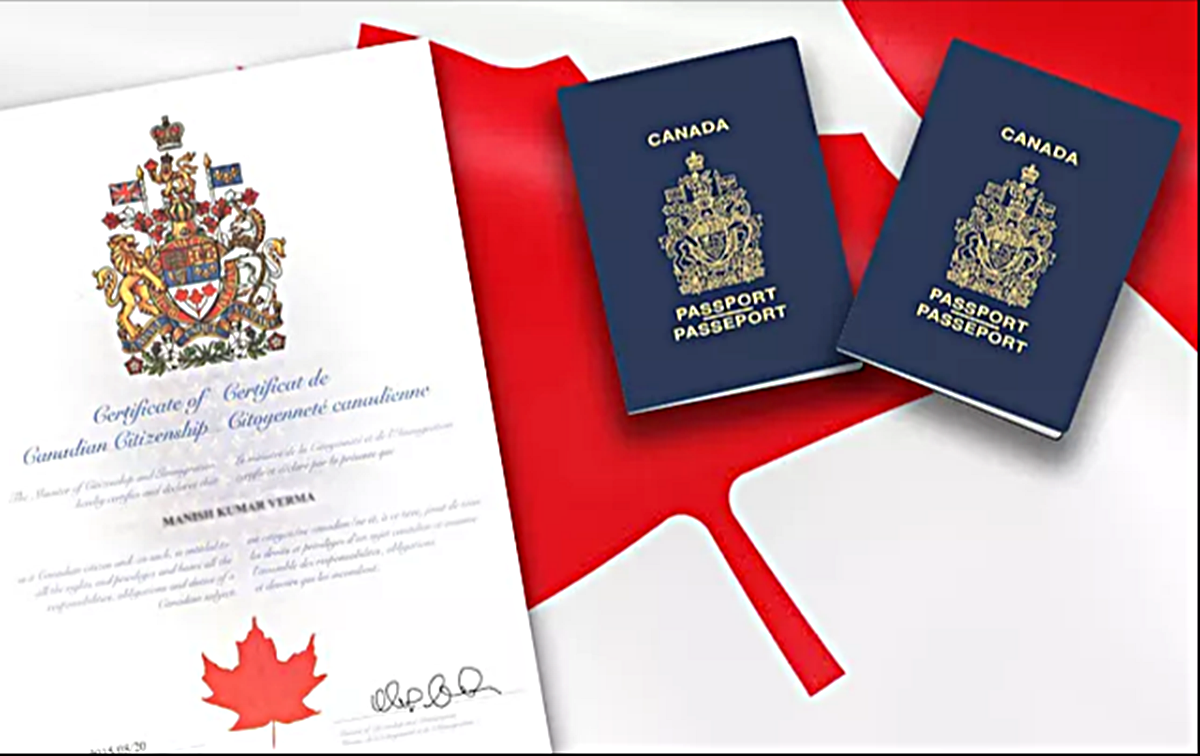
One of the most common concerns we hear at VisaPath Immigration is from clients wondering what happens to their original nationality when they become Canadian citizens.
If you’ve been living in Canada and you’re now thinking about applying for citizenship, it’s a valid question:
Do I have to give up the citizenship I was born with?
Here’s the good news: Canada fully supports dual citizenship.
But, and this is important, your country of origin might not. That’s where things can get complicated.
Let’s walk you through how dual citizenship works based on your background especially if you’re from one of the most common countries where our clients come from.
Understanding Canada’s Stance on Dual Citizenship
Canada is one of the most citizenship-friendly countries in the world. If you meet the criteria to become a Canadian citizen, you’re not required to give up your current citizenship. You can hold two (or even more) passports, provided your home country allows it.
And that’s the key detail: your home country’s laws determine whether you can retain your first citizenship after naturalizing in Canada.
We’ve broken this down for 10 countries that frequently come up in our client consultations.
Dual Citizenship Overview: Country-by-Country
| Country | Allows Dual Citizenship? | Special Conditions? |
| India | ❌ No | N/A |
| Philippines | ✅ Yes | ✅ Only in specific legal cases |
| China | ❌ No | N/A |
| Nigeria | ✅ Yes | ✅ Only for citizens by birth or descent |
| Pakistan | ✅ Yes | ✅ Permitted with countries like Canada |
| Iran | ❌ No | N/A |
| United States | ✅ Yes | ❌ No |
| Brazil | ✅ Yes | ❌ No |
| France | ✅ Yes | ❌ No |
| Syria | ✅ Yes | ❌ No |
Now let’s dive deeper into what this means for you based on your specific nationality.
India: Dual Citizenship Is Not Permitted
India does not allow dual citizenship in any form. If you become a Canadian citizen, you are legally required to renounce your Indian citizenship and stop using your Indian passport.
But there’s an alternative: you may apply for OCI (Overseas Citizen of India) status. It doesn’t make you a citizen again, but it gives you rights to live, work, and own property in India, essentially offering a long-term connection without legal nationality.
VisaPath Tip: If you’re of Indian origin and planning to naturalize in Canada, it’s critical to plan your OCI application well in advance.

Philippines: Dual Citizenship Is Conditional
The Philippines allows dual citizenship, but it isn’t automatic. If you lost Filipino citizenship after naturalizing abroad (such as in Canada), you can apply to reacquire it under Republic Act No. 9225, also known as the Citizenship Retention and Re-acquisition Act.
You’re eligible if:
- You were born in the Philippines and later became a Canadian.
- You have Filipino parents.
- You’re married to a Filipino citizen.
China: No Tolerance for Dual Citizenship
China follows a strict single-citizenship policy. If you voluntarily take Canadian citizenship, Chinese law considers you to have automatically forfeited your Chinese citizenship, whether you formally renounce it or not.
It’s also worth noting:
- China may not recognize your Canadian citizenship within its borders.
- Canadian consular support may be limited or denied while you’re in China if you’re still considered Chinese under local law.

Nigeria: Dual Citizenship Is Allowed for Those Born Nigerian
Nigeria permits dual citizenship, but only if you are a citizen by birth or descent.
If you obtained Nigerian nationality through naturalization, you are not allowed to retain it once you acquire foreign citizenship. That means you’d need to give it up before becoming Canadian.
Pakistan: Dual Citizenship Allowed With Specific Countries
Pakistan’s citizenship law allows nationals to hold dual citizenship with select countries and Canada is one of them.
So if you’re a Pakistani citizen seeking Canadian naturalization, you can legally retain your Pakistani citizenship and enjoy the benefits of both.

Iran: Officially No, But Practically Treated as a Dual National
Iran does not formally recognize dual citizenship. However, it also doesn’t revoke Iranian nationality when you naturalize elsewhere.
In practice:
- You will still be treated as an Iranian citizen when in Iran.
- You must enter and exit using your Iranian passport.
- Canadian consular assistance may be unavailable in Iran if you’re detained or involved in a legal issue.
United States: Dual Citizenship Fully Recognized
The U.S. government has no issue with dual nationality. You can become a Canadian citizen while keeping your U.S. passport.
Just remember: When traveling to and from the U.S., you’re required to use your U.S. passport, not your Canadian one.

Brazil: No Limitations on Dual Nationality
Brazil embraces dual citizenship without restriction. Brazilian nationals can hold Canadian citizenship while retaining full legal rights in Brazil.
However, when in Brazil, you’re typically treated solely as a Brazilian citizen and Canadian consular assistance may be limited.
France: No Barriers to Dual Citizenship
France allows dual citizenship without any caveats. French citizens may become Canadian without renouncing their French nationality or taking any special legal steps.

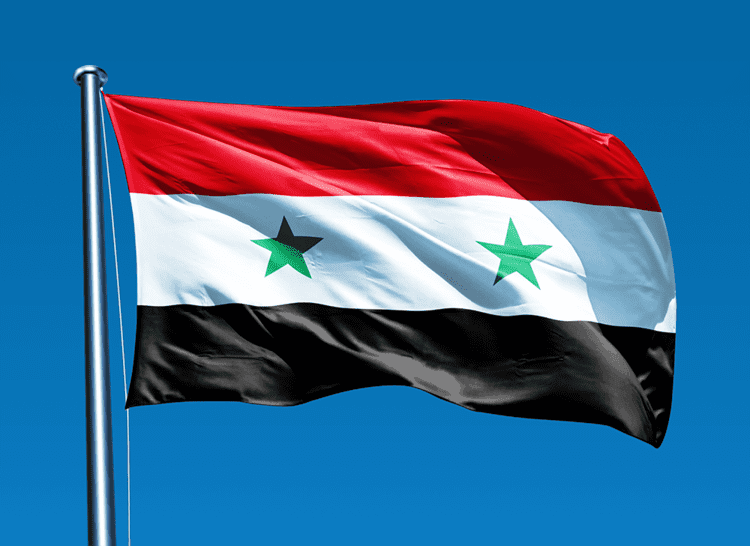
Syria: Permitted, But Expect Local Identity to Take Priority
Syria allows dual citizenship, but Syrian law gives precedence to your Syrian nationality, especially inside Syria. That means:
- You might be expected to fulfill civic duties (like military service).
- You may not be entitled to Canadian protection or support within Syria.
What If My Country Doesn’t Permit Dual Citizenship?
If your home country has strict single-citizenship laws (like India or China), you’ll need to either:
- Renounce your original nationality before or after becoming Canadian.
- Accept that you may automatically lose your original citizenship, based on local law.
This decision can have long-term implications for travel, inheritance, property, and family ties, so it’s essential to understand what your country requires.
How Do I Qualify for Canadian Citizenship?
To apply for Canadian citizenship, you must meet several core requirements:
- You’re a permanent resident (PR) of Canada.
- You’ve lived in Canada for at least 1,095 days over the last 5 years.
- You’ve filed taxes for at least 3 years (if required).
- You demonstrate language skills in English or French (CLB level 4+).
- You pass the citizenship knowledge test (if you’re between 18–54).
Once approved, you’ll take the Oath of Citizenship either virtually or in person.
Processing times as of now: Approximately 10 months from application to oath.
Not Sure If You Can Keep Your Original Citizenship? VisaPath Can Help.
Citizenship laws vary widely, and they’re constantly evolving. Whether you’re worried about renouncing your original nationality, managing dual travel documents, or planning to keep ties with your home country, our legal team is here to guide you.
At VisaPath Immigration, we don’t just file paperwork , we build your strategy. We analyze how Canadian rules intersect with your country’s laws, so you’re never caught off guard.
✅ Book a Free Strategy Call With VisaPath
Whether you’re ready to apply or just exploring your options, let’s talk.
We’ll help you find the smartest, safest path to Canadian citizenship, with your full legal picture in mind.
